



What's Happening?
A recent incident involving American Airlines' Landline service has caught the attention of travelers and social media users. A woman, identified as Kennedy, shared her experience on TikTok, where she expected to board a flight but was instead taken on a bus
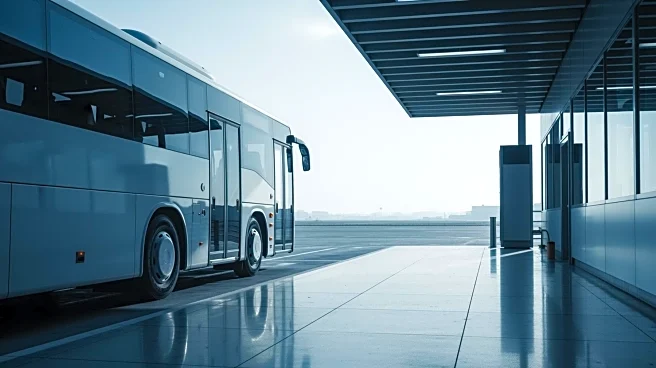
to her destination. The video, which has since gone viral, shows Kennedy and other passengers boarding a bus on the tarmac, initially believing it would transport them to their plane. However, the bus began driving directly to the destination, leaving passengers surprised. American Airlines' Landline service is designed to replace short regional flights with bus connections, integrating these routes into their booking system as if they were connecting flights. This service allows passengers to check bags, pass through TSA, and board at airport gates before traveling by road. The buses are equipped with amenities like Wi-Fi and power outlets, offering a premium travel experience. Despite these features, the unexpected nature of the service has led to mixed reactions from passengers.
Why It's Important?
The introduction of American Airlines' Landline service represents a significant shift in how airlines manage short-haul connections. By replacing certain regional flights with bus services, airlines can streamline operations and reduce costs, particularly in the face of rising fuel prices and operational expenses. This approach also reflects a broader trend in the airline industry to optimize resources and improve efficiency. However, the lack of clear communication about the nature of the service can lead to confusion and dissatisfaction among passengers, as seen in Kennedy's experience. For travelers, the distinction between air and ground travel may not be immediately apparent, especially when the booking process treats both as interchangeable. This development highlights the need for airlines to ensure transparency and clarity in their service offerings to maintain customer trust and satisfaction.
What's Next?
As American Airlines continues to expand its Landline service, it will be crucial for the company to address passenger concerns and improve communication about the nature of these routes. Ensuring that travelers are fully informed about the mode of transportation they are booking will be essential in preventing future misunderstandings. Additionally, the airline may need to consider further enhancements to the service to align passenger expectations with the travel experience provided. The success of this initiative could influence other airlines to adopt similar strategies, potentially reshaping the landscape of regional air travel in the U.S.
Beyond the Headlines
The shift towards integrating bus services into airline operations raises questions about the future of regional air travel and its environmental impact. By reducing the number of short-haul flights, airlines can potentially lower their carbon footprint, contributing to broader sustainability goals. However, this approach also necessitates a reevaluation of infrastructure and logistics to support seamless transitions between air and ground travel. The success of such initiatives will depend on the ability of airlines to balance operational efficiency with passenger satisfaction and environmental responsibility.