


What's Happening?
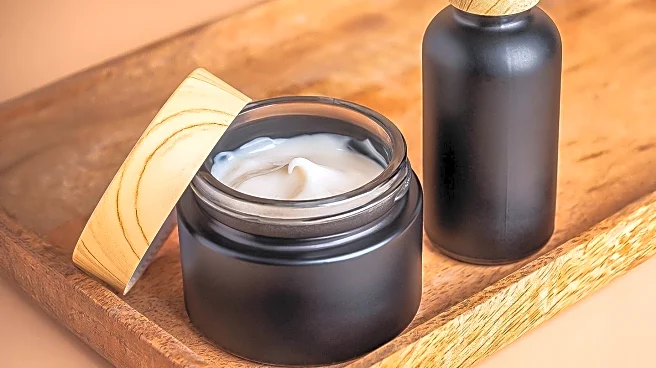
K-Beauty, or Korean beauty products, are gaining traction in the skincare industry, particularly in the U.S., due to their innovative ingredients and effective results. Products like the Baimei IcyMe Gua Sha & Jade Roller set and the COSRX Snail Mucin
Power Essence are becoming popular for their ability to enhance skincare routines. The Gua Sha and jade roller, rooted in traditional Chinese medicine, are praised for reducing puffiness and improving skin tone through lymphatic drainage. Meanwhile, the COSRX Snail Mucin Power Essence is noted for its lightweight hydration and skin repair benefits, containing 96% snail secretion filtrate. These products are part of a broader trend where fermented ingredients and unique formulations are used to improve skin absorption and deliver antioxidants efficiently.
Why It's Important?
The rise of K-Beauty products in the U.S. reflects a growing consumer interest in skincare solutions that offer both traditional wisdom and modern efficacy. This trend highlights a shift towards holistic and natural beauty practices, which could influence the broader beauty industry to incorporate more diverse and innovative ingredients. The popularity of these products also underscores the impact of social media in driving beauty trends, as viral products often gain a following due to their visible results and endorsements by influencers. This could lead to increased competition among beauty brands to develop unique and effective skincare solutions, potentially benefiting consumers with more options and better products.
What's Next?
As K-Beauty continues to gain popularity, more brands may seek to incorporate similar ingredients and techniques into their product lines. This could lead to collaborations between Western and Korean beauty companies, further blending traditional and modern skincare practices. Additionally, the success of these products might encourage more research into the benefits of fermented ingredients and traditional beauty tools, potentially leading to new innovations in the skincare industry. Consumers can expect to see an expansion of K-Beauty products in mainstream retail outlets, making them more accessible to a wider audience.
Beyond the Headlines
The increasing interest in K-Beauty products also raises questions about cultural appropriation and the importance of respecting the origins of these beauty practices. As Western markets adopt these products, it is crucial to acknowledge and honor the cultural heritage and traditional knowledge that underpin them. This trend also highlights the potential for cross-cultural exchange in the beauty industry, where different traditions can inspire new approaches to skincare and self-care.