





What's Happening?
The ongoing conflict in Iran, coupled with rising fuel prices and tariffs, is affecting U.S. retail container import volumes, according to the Global Port Tracker report by the National Retail Federation and Hackett Associates. The report highlights that
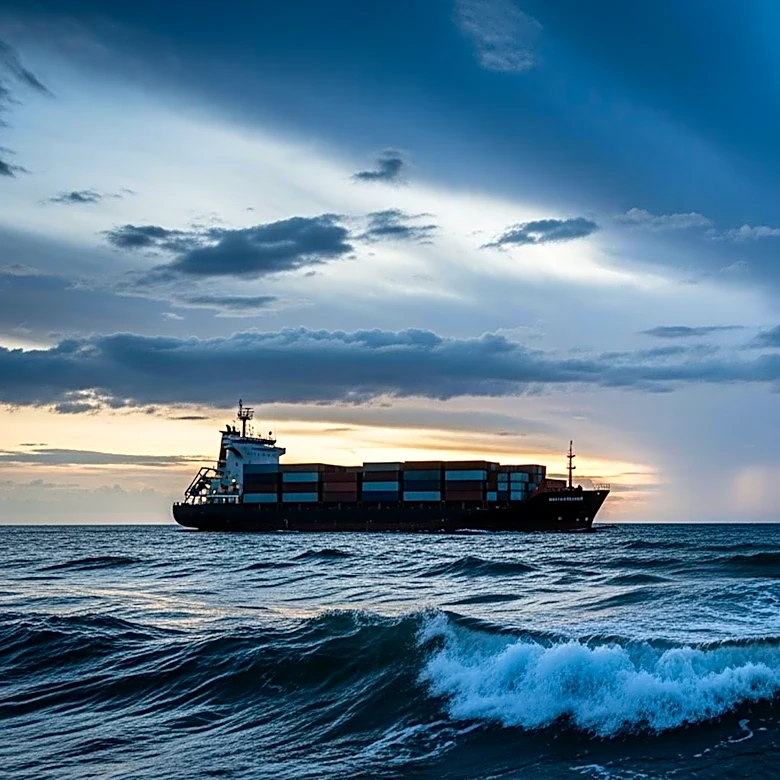
while U.S. imports from the Middle East are minimal, the global supply chain is experiencing disruptions. These include rerouting of vessels and increased fuel costs, which are impacting retailers' operations. The report also notes a recent U.S. Supreme Court ruling against the administration's use of tariffs under the International Emergency Economic Powers Act, prompting President Trump to announce a temporary 10% tariff, with potential increases. Adjustments to Section 232 tariffs on various imports have also been made.
Why It's Important?
The situation underscores the interconnectedness of global supply chains and the ripple effects of geopolitical tensions on U.S. commerce. Retailers face challenges from rising tariffs and trade policy uncertainties, which could lead to higher consumer prices. The increase in fuel costs due to the conflict in Iran further exacerbates the situation, potentially leading to inflationary pressures. The report's projections indicate a potential decline in import volumes, which could affect retail inventory levels and pricing strategies. The broader economic implications include potential impacts on consumer spending and the overall health of the U.S. economy.
What's Next?
Retailers are closely monitoring the situation and collaborating with transportation partners to mitigate impacts. The report projects fluctuations in import volumes over the coming months, with potential gains in May and June due to previous declines. The ongoing geopolitical tensions and tariff adjustments will likely continue to influence U.S. import dynamics and fuel prices. Stakeholders in the retail and logistics sectors will need to adapt to these changes and prepare for potential further disruptions.