






What's Happening?
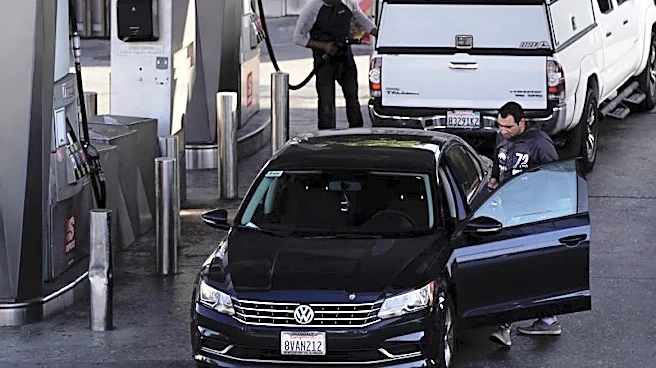
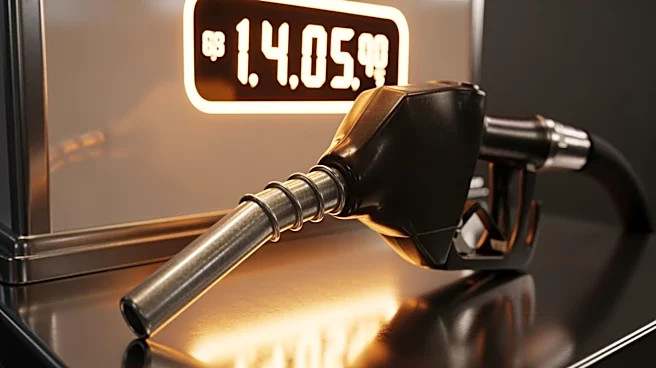
Gas-station signs, prominently displaying fuel prices, have become symbols of economic sentiment, especially amidst the recent rise in gas prices due to the Iran war. These signs, visible at urban intersections and countryside exits, offer a real-time
view of market forces and consumer economy mood. Historically, gas prices have been a universal concern, with signs evolving from manual updates to digital displays. The current energy crisis marks a shift, as electric vehicles (EVs) reduce the universal impact of gas prices, altering the cultural significance of these signs.
Why It's Important?
Gas-station signs have long served as indicators of economic conditions, reflecting the volatility of fuel prices and their impact on consumers. The rise of EVs is changing this dynamic, as they reduce dependency on gasoline and its associated market fluctuations. This shift has broader implications for the energy sector, consumer behavior, and environmental policy. As EV adoption increases, the cultural and economic significance of gas prices may diminish, leading to changes in how energy consumption is perceived and discussed in society.
Beyond the Headlines
The transition from gasoline to electric vehicles represents a significant cultural and economic shift. It challenges traditional notions of energy consumption and highlights the need for infrastructure and policy adaptations. The decline in gas-station sign relevance may also impact local economies reliant on fuel sales and associated services. This evolution underscores the broader move towards sustainable energy solutions and the potential for new cultural symbols to emerge in the context of energy consumption.