







What's Happening?
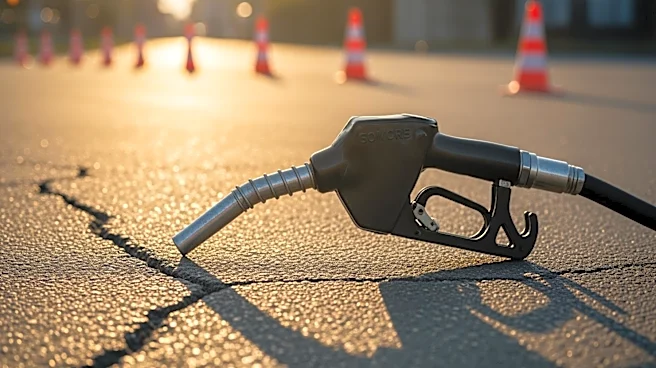
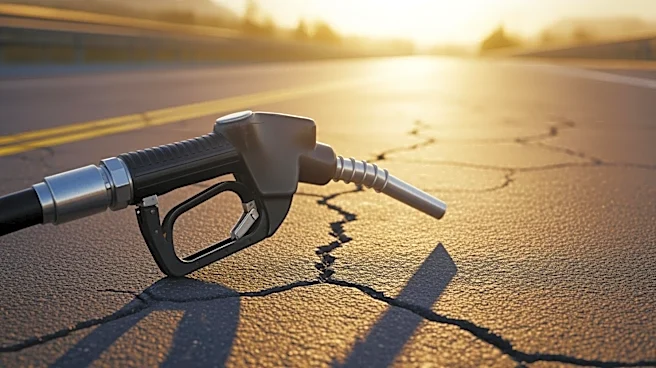
Oil executives have issued a warning to the White House about a potential surge in gas prices, which could exceed $5 per gallon by late summer. This warning comes as commercial stockpiles and the Strategic Petroleum Reserve are nearing historically low
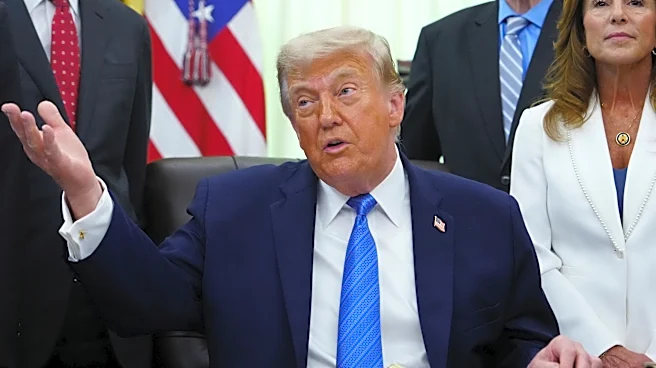
levels. The situation is exacerbated by the ongoing conflict in Iran, which is disrupting traffic through the Strait of Hormuz, a critical route for global oil supply. Inflation, already at a three-year high, is further complicating the economic landscape and affecting President Trump's approval ratings ahead of the midterm elections. Despite recent dips in gas prices, attributed to reserve releases and regulatory waivers, industry leaders like Mike Sommers of the American Petroleum Institute are expressing concern over the rapid depletion of inventories and limited tanker traffic.
Why It's Important?
The potential increase in gas prices could have significant economic repercussions, affecting both consumers and businesses across the United States. Higher fuel costs can lead to increased transportation and production expenses, which may be passed on to consumers in the form of higher prices for goods and services. This could further strain household budgets and contribute to inflationary pressures. Politically, rising gas prices could impact President Trump's standing with voters, particularly as the midterm elections approach. The administration's handling of the situation may influence public perception and voter sentiment.
What's Next?
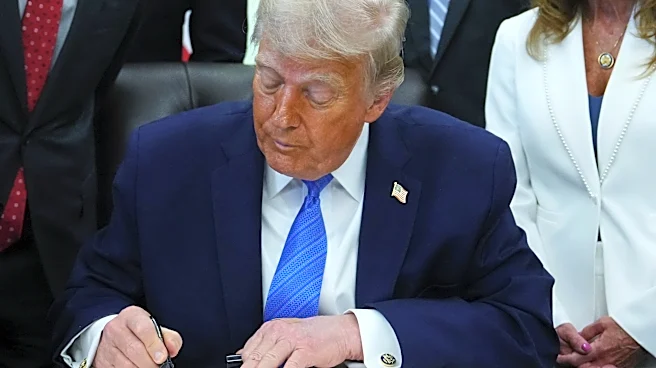
If gas prices do rise as predicted, the administration may face pressure to take additional measures to stabilize the market, such as further releasing reserves or implementing new regulatory actions. The oil industry and government officials will likely continue to monitor inventory levels and global supply routes closely. Any resolution to the conflict in Iran could also play a critical role in determining future oil supply and pricing dynamics.