
What's Happening?
The rise in gasoline prices due to the Middle East conflict has sparked increased consumer interest in electrified vehicles, according to data from CarGurus.com. Despite the heightened interest, analysts suggest that this may not lead to a sustained increase in EV
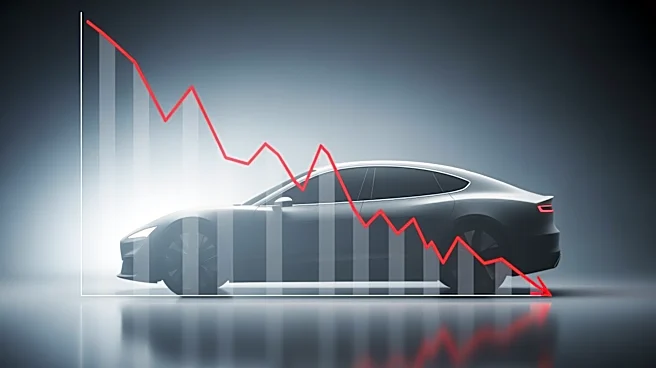
sales. Historically, consumer interest in fuel-efficient vehicles spikes when gas prices rise but tends to revert once prices stabilize. The average price of gasoline has risen significantly, driving consumers to explore alternatives to internal combustion engine vehicles. CarGurus reported a 25% increase in views on new EV listings and a 32% increase in used EV listings since March. However, EV sales have been stagnant following the discontinuation of the $7,500 federal income tax credit. General Motors reported a 20% increase in first-quarter EV sales compared to the previous year, but overall sales remain low.
Why It's Important?
The fluctuating interest in EVs highlights the challenges in transitioning to sustainable transportation. While high gas prices can temporarily boost interest in EVs, long-term adoption depends on factors such as price, charging infrastructure, and consumer preferences. The discontinuation of federal tax credits has impacted EV sales, emphasizing the need for supportive policies to encourage adoption. The situation presents an opportunity for automakers to address consumer concerns and innovate in EV technology. The potential shift towards electrified vehicles could influence the automotive industry, energy markets, and environmental policies.
What's Next?
The future of EV sales will depend on the duration of elevated gas prices and the resolution of geopolitical tensions. Automakers may need to enhance their EV offerings and address consumer concerns to capitalize on the interest. Government policies, such as reinstating tax credits or providing incentives, could play a crucial role in sustaining EV adoption. The market may see an influx of pre-owned EVs as leases expire, offering consumers more affordable options. The broader impact on the automotive industry and energy markets will unfold as stakeholders navigate the evolving landscape.