


What's Happening?
The furniture industry is grappling with environmental concerns as consumers increasingly opt for 'fast furniture'—affordable, mass-produced items made from plastics, fiberboard, and chipboard. These products, while convenient and inexpensive, are not
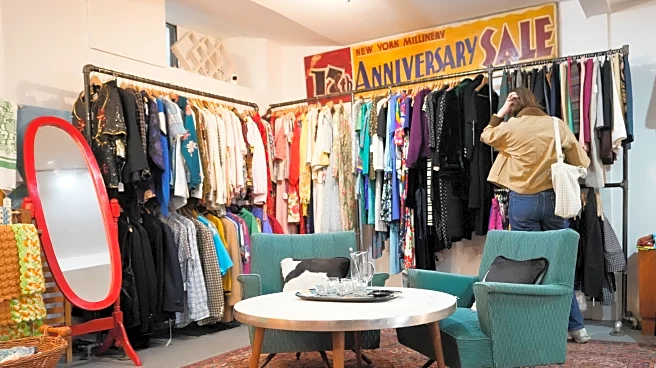
built to last and contribute significantly to landfill waste. In 2018, Americans discarded over 12 million tons of furniture, with 80% ending up in landfills, according to the Environmental Protection Agency. Experts suggest alternatives such as community groups, secondhand shopping, and investing in high-quality furniture over time to mitigate environmental impact. Initiatives like the Buy Nothing Project encourage consumers to exchange goods within their communities, promoting sustainability and reducing waste.
Why It's Important?
The trend towards fast furniture poses significant environmental challenges, as these products are difficult to recycle and contribute to landfill waste. This issue highlights the need for sustainable practices in the furniture industry and consumer behavior. By opting for secondhand furniture or investing in durable, high-quality pieces, consumers can reduce their environmental footprint. This shift not only benefits the environment but also supports local economies and fosters community engagement. As awareness grows, the industry may face pressure to innovate and offer more sustainable options, potentially leading to changes in manufacturing processes and consumer habits.