





What's Happening?
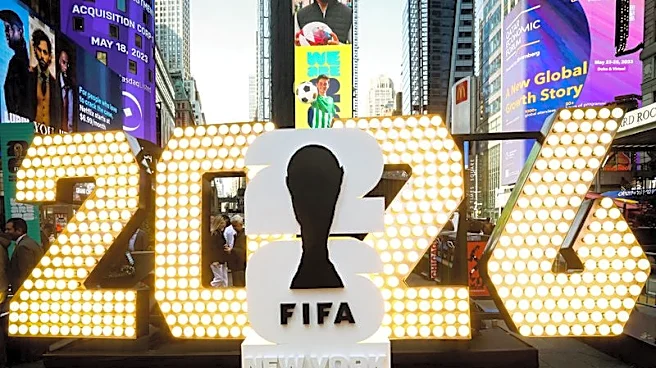
The International Football Association Board (IFAB) has announced several rule changes for soccer, set to be implemented ahead of the World Cup in the United States, Mexico, and Canada. These changes will also be adopted in leagues worldwide. Key updates
include expanded use of the Video Assistant Referee (VAR) to review incorrect corner kicks, attacking fouls before play starts, and mistaken identity in card issuance. A new rule penalizes players with a red card for covering their mouths during confrontations, aimed at preventing hidden racist comments. Additionally, substitutions must occur within 10 seconds, and a five-second countdown will be enforced for throw-ins and goal kicks to speed up play. Players treated for injuries must leave the pitch for one minute, and tactical timeouts for goalkeeper injuries are no longer allowed. Hydration breaks will be introduced due to extreme temperatures, and a longer halftime break is planned for the World Cup final to accommodate a concert.
Why It's Important?
These rule changes are significant as they aim to enhance the fairness and pace of the game, addressing issues like time-wasting and unsportsmanlike conduct. The expanded VAR use could lead to more accurate officiating, potentially impacting game outcomes and team strategies. The rule against covering mouths during confrontations highlights a commitment to combating racism in sports. The changes could influence how teams prepare and strategize, particularly in high-stakes tournaments like the World Cup. The introduction of hydration breaks and a longer halftime for the final reflects a focus on player safety and the growing trend of integrating entertainment into major sporting events.
What's Next?
The implementation of these rules will be closely monitored by teams, players, and officials as they adapt to the new regulations. The upcoming World Cup will serve as a testing ground for these changes, and their effectiveness will likely be evaluated post-tournament. Stakeholders, including FIFA and national leagues, may consider further adjustments based on feedback and observed outcomes. The rule changes could also spark discussions on additional reforms to improve the sport's integrity and appeal.