


What's Happening?
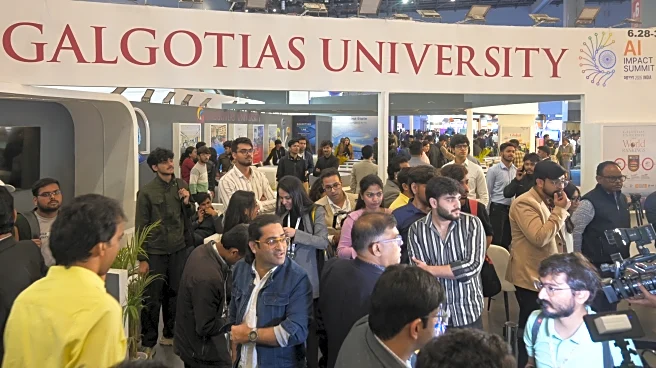
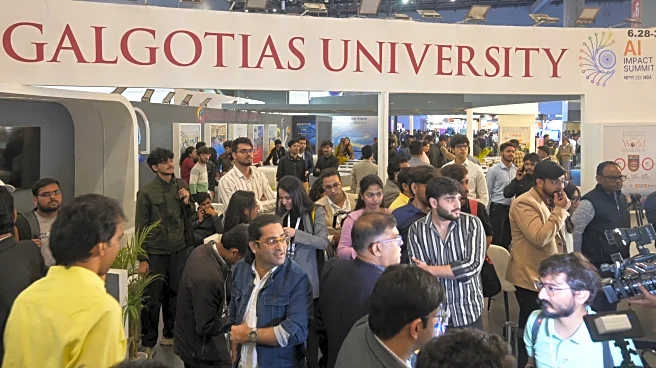
During the India AI Impact Summit hosted by Indian Prime Minister Narendra Modi, an awkward moment between OpenAI CEO Sam Altman and Anthropic CEO Dario Amodei caught the attention of attendees and went viral on social media. The summit, aimed at promoting inclusive and multilingual AI, featured 13 tech leaders on stage. While Modi encouraged the leaders to join hands in a symbolic gesture, Altman and Amodei, standing next to each other, avoided hand contact and instead raised their fists. This interaction underscored the competitive tension between the two companies. Altman later explained in an interview that he was confused by the situation and did not intend any deeper meaning. The rivalry between OpenAI and Anthropic is rooted in their differing
approaches to AI development, with Anthropic focusing on safety and OpenAI on commercial potential. This tension was recently highlighted in the U.S. when Anthropic aired commercials during the Super Bowl criticizing OpenAI's advertising strategies.
Why It's Important?
The incident at the AI summit underscores the competitive landscape in the AI industry, particularly between major players like OpenAI and Anthropic. This rivalry is significant as it reflects broader debates about the direction of AI development, including issues of safety, commercialization, and ethical considerations. OpenAI's approach to monetizing AI through advertising contrasts with Anthropic's focus on safety and business-to-business sales, highlighting different business models within the industry. The public nature of their rivalry, including televised criticisms, suggests that these companies are not only competing for market share but also for public perception and trust. This competition could influence the future of AI technology, its applications, and regulatory approaches.
What's Next?
The ongoing rivalry between OpenAI and Anthropic is likely to continue influencing the AI industry. Both companies are expected to further develop their AI technologies, potentially leading to new innovations and applications. As they compete for dominance, regulatory bodies and policymakers may become more involved in overseeing AI development to ensure ethical standards and safety. The public and business communities will be watching closely to see how these companies navigate their differences and what impact their competition will have on the broader AI landscape.