
What's Happening?
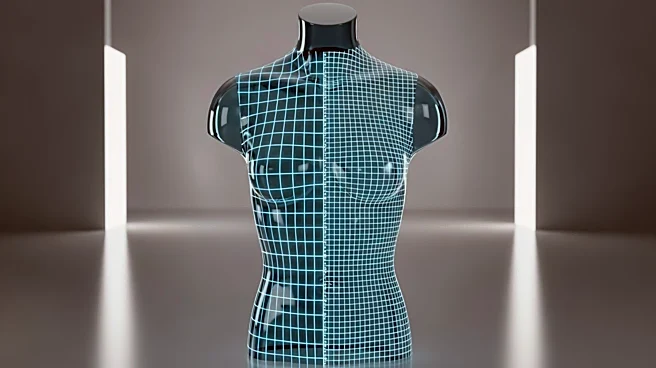
Fashion technology company Alvanon has unveiled a new 'phygital' sizing solution designed to integrate physical mannequins with digital avatars. This innovation, known as the Specialty Catwalk Series,
is aimed at high-end fashion designers, allowing them to work seamlessly across both digital and physical platforms. The term 'phygital' combines physical and digital elements, highlighting the fusion of tangible and virtual aspects. Alvanon's solution uses global body scan data to create digital 'twin' avatars that match the physical mannequins, specifically tailored for couture runway standards. This new sizing series is set to be available for order starting May 18. According to Sara Canali, Alvanon's market development director, this series provides luxury and premium brands with a foundational body standard, enhancing the creative process by reducing reliance on fit models and physical prototypes. The series was previewed in Milan, Italy, in collaboration with D-house Laboratorio Urbano, and attended by luxury brands such as Armani.
Why It's Important?
The introduction of Alvanon's 'phygital' sizing solution represents a significant advancement in the fashion industry, particularly for luxury brands. By providing a consistent and accurate representation of standard body sizes and shapes, this technology can streamline the design process, improve efficiency, and enhance creative flexibility. Designers can experiment and develop ideas without the constraints of traditional fit models and prototypes, potentially reducing costs and time associated with physical sample production. This innovation could lead to a more sustainable approach in fashion design, as it minimizes waste and resource use. Additionally, the ability to seamlessly integrate digital and physical design processes may set a new standard in the industry, encouraging other brands to adopt similar technologies.
What's Next?
As the 'phygital' sizing solution becomes available for order, luxury fashion brands are likely to evaluate its integration into their design processes. The success of this technology could prompt further collaborations between fashion technology firms and high-end designers, potentially leading to more innovations in digital fashion design. The industry may see a shift towards more digital-centric design methodologies, influencing how collections are developed and presented. Additionally, the adoption of such technologies could impact the role of traditional fit models and physical prototypes, as digital avatars become more prevalent in the design process.