
What's Happening?
Southern cafeteria chains, once a staple in the American South, are experiencing a decline as fast-food chains offer cheaper and faster alternatives. Historically, cafeterias like Morrisons, Piccadilly,
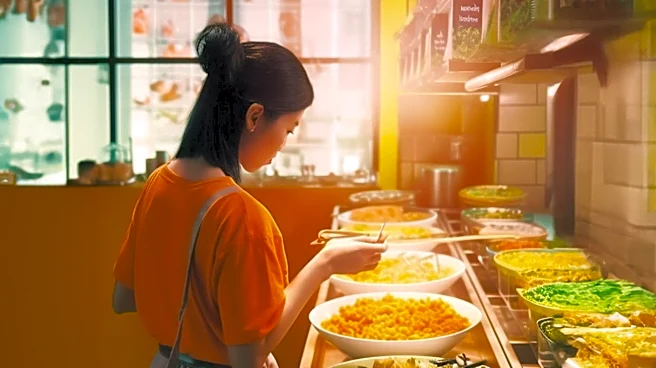
and Luby's were popular for their community atmosphere and hearty meals. However, many have closed due to competition and a shift to using canned and frozen ingredients, which alienated loyal customers. Despite this trend, some small, family-owned cafeterias in the Atlanta suburbs are thriving by maintaining traditional recipes and community ties. Matthews Cafeteria in Tucker, Georgia, for example, has been operating for 71 years, serving dishes based on family recipes. Similarly, the Magnolia Room, a newer establishment, has found success by using fresh ingredients and employing chefs from former chains.
Why It's Important?
The decline of traditional cafeteria chains highlights a shift in consumer preferences towards faster and cheaper dining options. However, the success of small, family-owned cafeterias suggests a continued demand for community-oriented dining experiences and quality, homemade food. These establishments offer a sense of belonging and nostalgia, which can be appealing in a fast-paced, modern society. The resurgence of these cafeterias could influence the broader restaurant industry by emphasizing the value of tradition, quality, and community engagement. As fast-food prices rise and portion sizes decrease, these cafeterias provide an affordable alternative, potentially reshaping dining trends in the region.
What's Next?
The future of these mom-and-pop cafeterias depends on their ability to maintain quality and community ties while adapting to changing economic conditions. As grocery prices soar, these establishments may continue to attract customers seeking affordable, homemade meals. The challenge will be balancing cost with quality, as owners like Louis Squires of the Magnolia Room prioritize ingredient quality over price cuts. The continued success of these cafeterias could inspire other small business owners to adopt similar models, potentially leading to a revival of the cafeteria concept in other regions.
Beyond the Headlines
The revival of small cafeterias in the South reflects broader cultural and economic trends, such as the desire for community and the importance of local businesses in preserving regional culinary traditions. These establishments serve as cultural touchstones, offering a sense of continuity and identity in rapidly changing times. They also highlight the potential for small businesses to succeed by focusing on quality and customer relationships, rather than competing solely on price. This approach could influence other sectors, encouraging a shift towards more sustainable and community-focused business practices.