





What's Happening?
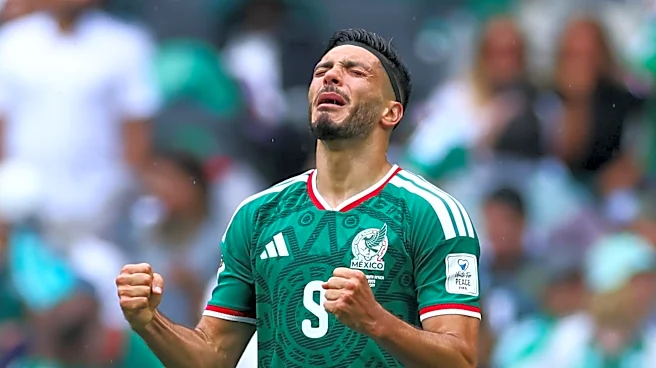
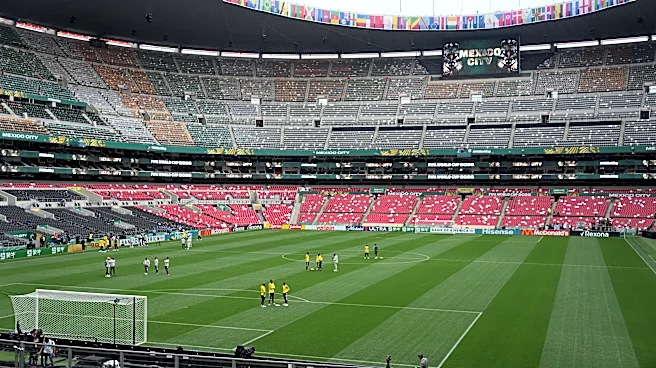
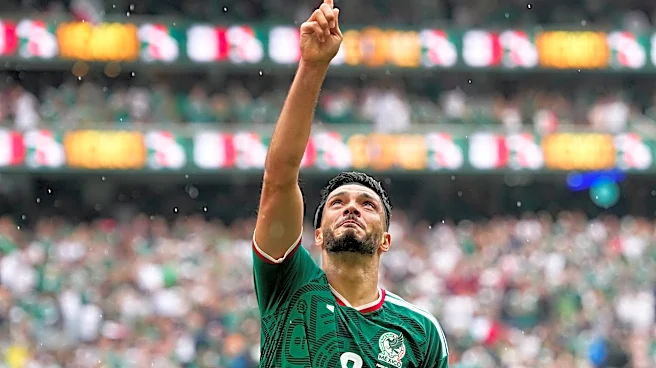
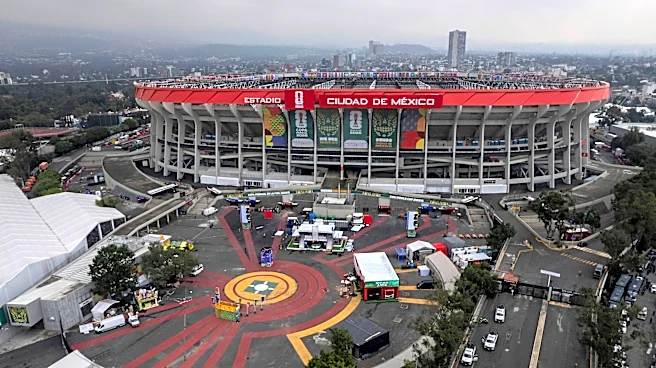
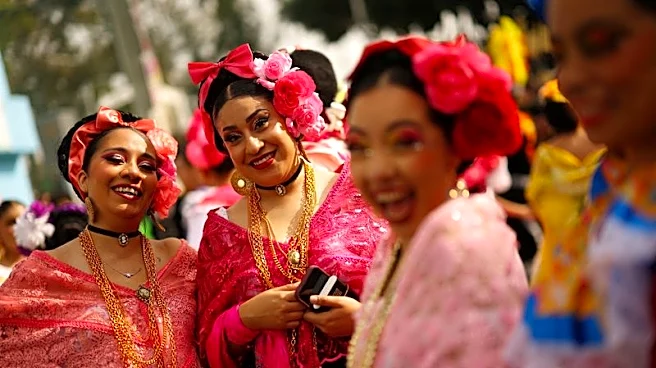
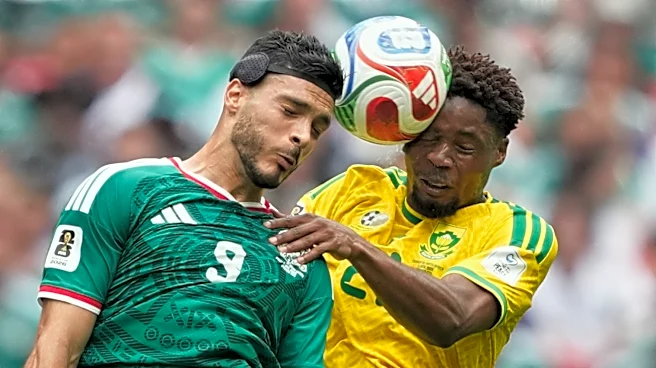
Mexico City hosted the opening match of the 2026 FIFA World Cup, where the Mexican national team secured a 2-0 victory over South Africa at the iconic Azteca Stadium. The event was marked by a festive atmosphere, with fans celebrating the win despite
ongoing societal concerns and protests in the city. The match drew a full house of 80,824 spectators, who witnessed a historic win for Mexico, marking their first opening match victory at the venue. The week leading up to the event was fraught with tensions, including protests by the teacher's union and other groups highlighting issues such as narcoviolence and disappearances. However, an agreement was reached to allow the event to proceed smoothly, and the match concluded without major incidents.
Why It's Important?
The successful hosting of the World Cup opening match in Mexico City is significant for several reasons. It showcases Mexico's ability to manage large-scale international events despite internal challenges, potentially boosting its global image. The event also highlights the ongoing societal issues in Mexico, such as narcoviolence and public protests, which continue to affect the country's social fabric. The victory provides a morale boost to the Mexican team and its supporters, setting a positive tone for the rest of the tournament. Additionally, the event's success could have economic implications, attracting tourism and investment to the region.
What's Next?
Following the opening match, the World Cup will continue with games hosted by co-hosts Canada and the United States. Mexico City is set to host four more matches, and the local authorities will need to ensure that these events proceed without disruption. The Mexican team will aim to build on their opening victory as they prepare for their next matches against South Korea and Czechia. Meanwhile, the societal issues highlighted by the protests are likely to persist, requiring ongoing attention from both local and national authorities.