






What's Happening?
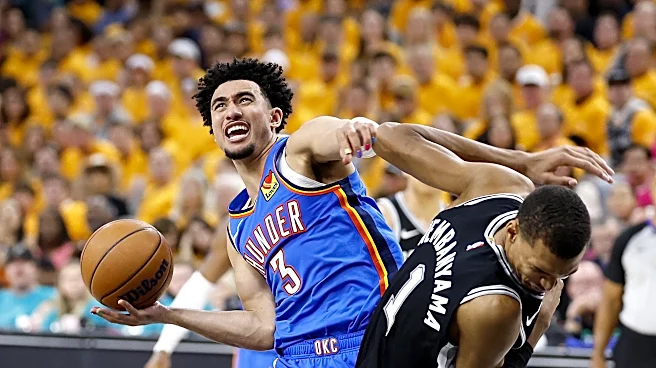
A new trend has emerged on social media platforms like TikTok and Instagram, where users are creating AI-generated videos that place them in high-profile sports settings such as NBA games and Formula One paddocks. These clips, which appear authentic and professionally
shot, are not real but are digitally crafted using advanced AI tools. The trend, which has gained significant traction, allows users to insert themselves into the glamorous world of elite sports and celebrity culture, often associated with the 'WAG' (wives and girlfriends of athletes) lifestyle. Participants in this trend, like 24-year-old Franell Mauricio, have expressed that these videos offer a way to visualize and experience lifestyles they admire but may not have access to in reality. Despite its popularity, the trend has faced criticism for being 'cringe' and indicative of superficial social media culture, while others see it as a form of modern escapism and aspiration.
Why It's Important?
The rise of AI-generated sports clips highlights a significant shift in how younger generations engage with social media and digital identity. This trend underscores the growing influence of AI in shaping online experiences and the blurring lines between reality and digital fantasy. For Gen Z, these videos represent more than just entertainment; they are a form of digital role-play and identity curation, allowing users to craft and share idealized versions of their lives. This phenomenon reflects broader societal trends towards aspirational living and the romanticization of luxury lifestyles. It also raises questions about the impact of AI on authenticity and the potential for technology to democratize access to experiences traditionally reserved for the elite. As AI tools become more accessible, they lower the barriers to creating content that was once exclusive, reshaping how individuals interact with and perceive luxury and celebrity culture.
What's Next?
As the trend continues to grow, it is likely to attract further attention from both supporters and critics. Social media platforms may see increased engagement as users explore new ways to utilize AI for content creation. Brands and marketers might also tap into this trend, leveraging AI-generated content to reach younger audiences who are drawn to aspirational and immersive experiences. However, there may also be calls for greater transparency and ethical considerations regarding the use of AI in creating potentially misleading content. The ongoing dialogue around digital identity and authenticity will likely intensify, prompting discussions about the role of technology in shaping personal and cultural narratives.
Beyond the Headlines
The trend of AI-generated sports clips touches on deeper cultural and ethical issues, such as the nature of authenticity in the digital age and the psychological effects of living in a curated online world. It raises questions about the societal pressures to conform to idealized lifestyles and the potential for AI to exacerbate issues related to self-esteem and identity. As users increasingly engage in digital role-play, there is a risk of blurring the lines between aspiration and reality, which could have long-term implications for how individuals perceive themselves and their place in the world. This trend also highlights the need for media literacy and critical thinking skills to navigate the complexities of AI-enhanced content.