
What's Happening?
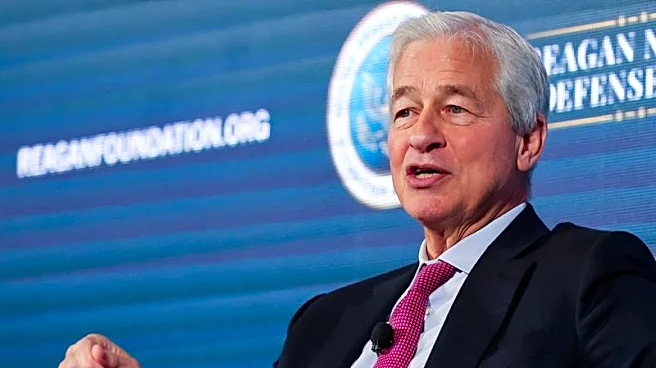
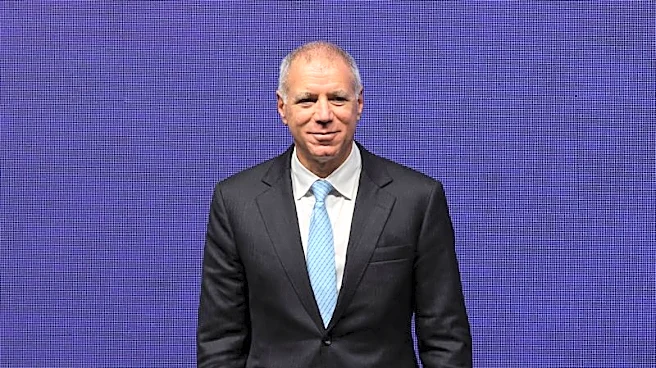
Jamie Dimon, CEO of JPMorgan Chase, has commented on the recent controversy surrounding AI-driven job losses in the banking sector. This follows remarks by Standard Chartered CEO Bill Winters, who faced
backlash for suggesting that AI would replace lower-value human capital. Dimon, speaking at JPMorgan's China Summit in Shanghai, described Winters' comments as 'inartful' and emphasized that AI will impact all job levels, not just less-skilled workers. He highlighted AI's transformative role in various business areas, including marketing and fraud detection. Dimon reassured that JPMorgan is committed to supporting employees affected by AI advancements through reskilling and job transitions.
Why It's Important?
The discussion around AI and job displacement is critical as it highlights the broader implications of technological advancements on employment. Dimon's comments underscore the need for companies to manage workforce transitions responsibly, ensuring that employees are equipped with new skills for emerging roles. This approach could serve as a model for other industries facing similar challenges. The potential for AI to disrupt traditional job roles raises questions about the future of work and the importance of education systems adapting to prepare students for a tech-driven economy. The banking sector, in particular, may see significant shifts in workforce composition as AI becomes more integrated.
What's Next?
As AI continues to evolve, companies like JPMorgan will likely focus on developing comprehensive strategies to manage workforce changes. This includes investing in employee training programs and collaborating with educational institutions to align curricula with industry needs. The banking sector may also see increased regulatory scrutiny as policymakers assess the impact of AI on employment and economic stability. Stakeholders, including labor unions and advocacy groups, may push for policies that protect workers' rights and ensure fair transitions. The ongoing dialogue between industry leaders and policymakers will be crucial in shaping the future landscape of work in the U.S.