
What's Happening?
Georg Baselitz, a prominent figure in the neo-Expressionist art movement, has died at the age of 88. Known for his provocative style and upside-down paintings, Baselitz was a significant influence in the art world.
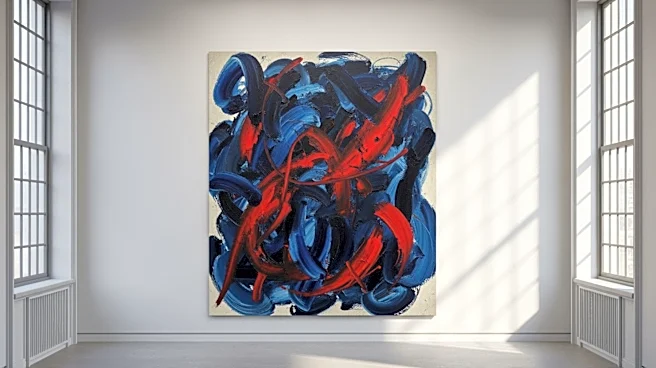
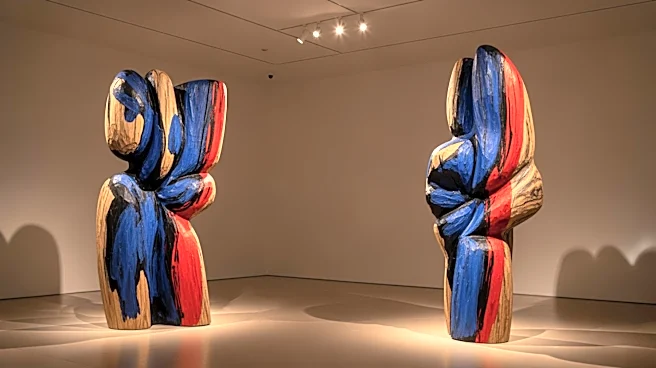
Born Hans-Georg Kern in 1938 in Nazi-ruled Germany, he later adopted the name Baselitz from his birthplace, Deutschbaselitz. After growing up amidst the ruins of World War II, he moved from East to West Germany in 1957 due to rising political pressures. Baselitz's career was marked by his unique approach to art, often described as an 'artist of rage' with a penchant for contradiction. His works, which include paintings, sculptures, and drawings, are displayed in top galleries worldwide and have fetched millions at auctions. Baselitz's first exhibition in 1963 was controversial, with some paintings confiscated for alleged pornography. His 'Hero' series in the 1960s and his first inverted painting in 1969 are among his most acclaimed works.
Why It's Important?
Georg Baselitz's death marks the end of an era for the neo-Expressionist movement, where he played a pivotal role in challenging traditional art norms. His innovative techniques, such as painting images upside down, have influenced countless artists and reshaped contemporary art. Baselitz's work often reflected the chaos and destruction he witnessed during his childhood in post-war Germany, offering a unique perspective on human resilience and societal collapse. His contributions have not only enriched the art world but also provided a critical lens through which to view historical and cultural upheavals. The loss of Baselitz is significant for art institutions and collectors who valued his bold and often controversial approach to art.
What's Next?
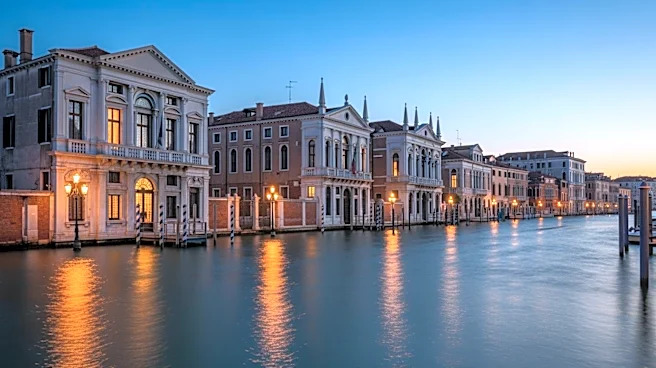
In the wake of Baselitz's passing, art institutions may seek to honor his legacy through exhibitions and retrospectives that celebrate his contributions to the art world. The Giorgio Cini Foundation in Venice is already hosting an exhibition of his 'Golden Heroes' works, which will continue until September 27. This and other potential exhibitions could reignite interest in his work, potentially increasing the value of his pieces in the art market. Additionally, his influence on contemporary artists may lead to new interpretations and explorations of his techniques and themes.
Beyond the Headlines
Baselitz's work often delved into themes of destruction and reconstruction, reflecting his experiences in a war-torn Germany. His approach to art challenged viewers to reconsider their perceptions and the societal norms of his time. The ethical and cultural implications of his work, particularly his exploration of nudity and human form, continue to provoke discussion and analysis. As art historians and critics reflect on his legacy, Baselitz's impact on the art world may be seen as a catalyst for ongoing debates about the role of art in society and its power to challenge and transform cultural narratives.