

What's Happening?
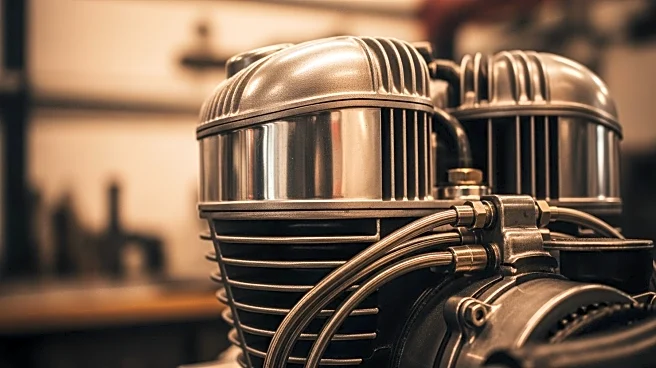
Porsche's classic 911 models, known for their air-cooled engines, actually utilize a combination of air and oil cooling to maintain optimal engine temperature. The air-cooled system involves a large fan that directs cool air over the engine's flat-6 motor,
while an oil cooler helps manage heat through a passive heat exchange process. This dual cooling system was necessary as the engines evolved to produce more horsepower, increasing their cooling demands. Over time, Porsche transitioned from engine-mounted oil coolers to front-mounted ones with fans, especially in later models like the 964 and 993 generations. This shift was partly due to the need for better cooling solutions as the engines became more powerful and emissions standards tightened.
Why It's Important?
The evolution of Porsche's cooling systems highlights the challenges faced by automakers in balancing performance with regulatory compliance. As engines became more powerful, the traditional air-cooled system struggled to meet the demands, leading to innovations in cooling technology. This transition reflects broader industry trends where manufacturers must continuously adapt to technological and regulatory changes. For Porsche enthusiasts and the automotive industry, these developments underscore the importance of engineering advancements in maintaining vehicle performance while adhering to environmental standards.