
What's Happening?
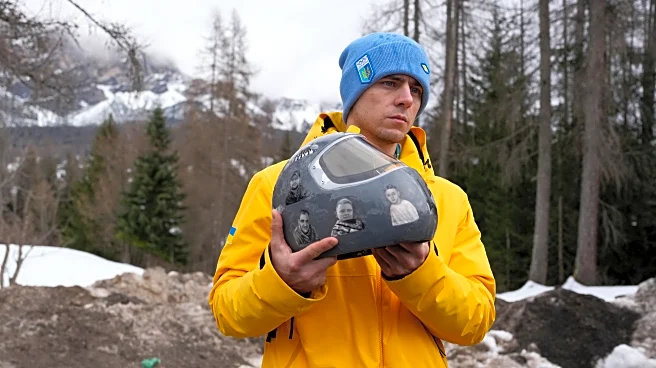
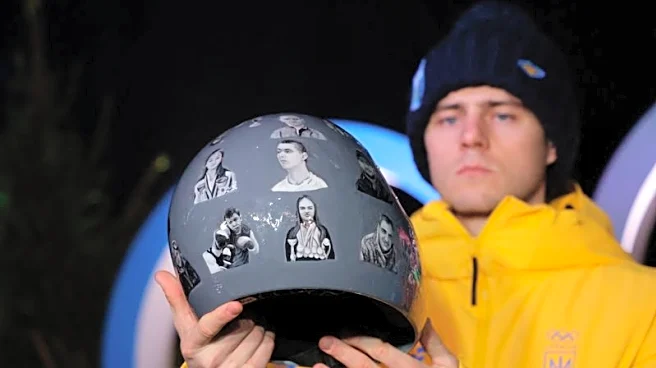
Ukrainian skeleton racer Vladyslav Heraskevych has lost his appeal against disqualification from the Milano-Cortina 2026 Winter Olympics. The Court of Arbitration for Sport upheld the decision to bar him
from competing due to his 'helmet of memory,' which featured images of Ukrainian athletes and children killed during the war. The International Olympic Committee had offered a compromise allowing the helmet to be displayed before and after races, but Heraskevych declined, insisting the tribute was not political. The case has sparked debate over the IOC's neutrality rules as athletes increasingly use the Olympic platform to highlight humanitarian issues.
Why It's Important?
This case highlights the ongoing tension between athletes' freedom of expression and the IOC's commitment to political neutrality. The decision could set a precedent for how similar cases are handled in the future, potentially influencing the rules governing athlete conduct at international competitions. The situation also underscores the broader impact of global conflicts on sports, as athletes seek to use their platforms to raise awareness and advocate for causes. The outcome may affect how athletes approach activism and expression at future Olympic Games.
Beyond the Headlines
The ruling has broader implications for the role of sports in political and humanitarian discourse. As global conflicts continue to intersect with international sports, governing bodies like the IOC may face increased pressure to adapt their policies to accommodate athletes' rights to expression. The case also raises questions about the balance between maintaining the apolitical nature of the Olympics and allowing athletes to use their visibility for advocacy. This ongoing debate could lead to changes in how sports organizations address political and social issues.