



What's Happening?
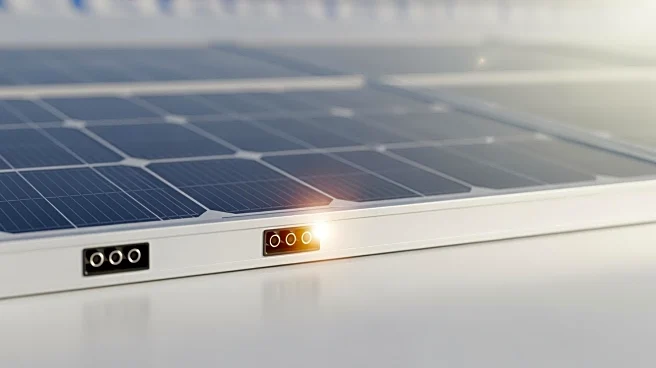
UL Solutions has introduced a new testing and certification program specifically for plug-in solar systems, commonly referred to as 'balcony solar,' in the United States. This initiative is designed to establish a 'clear safety framework' to facilitate the installation of these systems. The program is based on UL 3700, which is the Outline of Investigation for Interactive Plug-In Photovoltaic Equipment and Systems. Unlike traditional rooftop solar panels that are permanently wired, plug-in solar systems are designed to connect to household circuits via a plug and receptacle. This design simplifies the adoption of solar energy but also introduces risks such as potential system overloads and the possibility of power flowing back into electrical
lines. The UL 3700 standard addresses these risks by mandating features that prevent accidental contact with hazardous electrical parts, ensure safe installation, protect against overloads, and prevent reverse current flow.
Why It's Important?
The launch of this certification program is significant as it could expand the accessibility of solar energy to a broader audience, including renters and homeowners who cannot install traditional rooftop systems. By providing a standardized safety framework, UL Solutions aims to mitigate the risks associated with plug-in solar systems, thereby encouraging their adoption. This could lead to increased use of renewable energy sources, contributing to the reduction of carbon emissions and supporting the U.S. energy transition goals. Additionally, these systems could serve as a backup power source during outages, enhancing energy resilience for users.
What's Next?
As the certification program gains traction, it is likely that more manufacturers will seek to certify their plug-in solar products under the UL 3700 standard. This could lead to a wider availability of these systems in the market, potentially driving down costs and making solar energy more affordable. Stakeholders such as energy companies, policymakers, and consumer advocacy groups may also engage in discussions about the integration of plug-in solar systems into the broader energy grid, addressing any regulatory or infrastructural challenges that may arise.