

What's Happening?
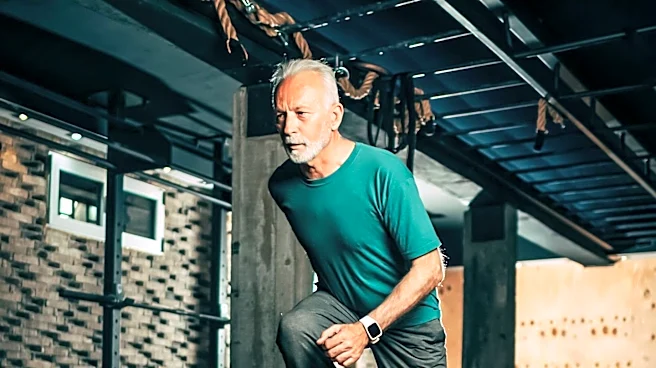
As individuals age, they often experience increased joint pain, reduced mobility, and decreased strength. Patricia Greaves, a certified personal trainer and founder of StrongHer Personal Training, emphasizes the importance of strength training in midlife
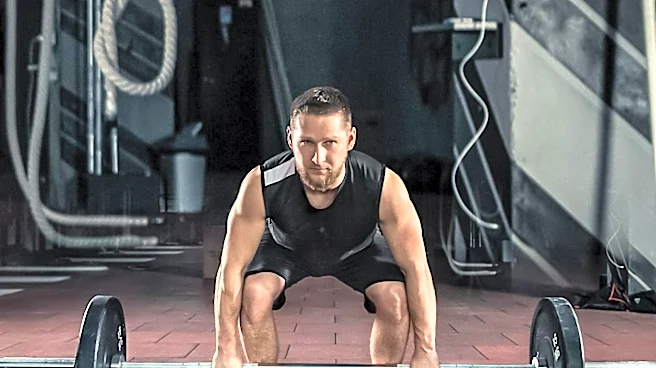
as a means to maintain health and independence. Greaves advises starting with lighter weights to focus on learning movement patterns and building a solid foundation of strength. She recommends a simple and consistent routine, suggesting three 30-minute sessions per week, each targeting different body areas. The key to progress is progressive overload, gradually increasing weights as exercises become easier. Greaves also highlights the importance of recovery and nutrition, advocating for adequate sleep and a diet rich in protein and fiber to support muscle building and overall health.
Why It's Important?
Strength training in midlife is crucial for maintaining muscle mass, bone density, and overall physical resilience, which naturally decline with age. By adopting a structured and manageable exercise routine, individuals can enhance their quality of life, reduce the risk of age-related health issues, and maintain independence. The approach recommended by Greaves not only helps in building physical strength but also boosts confidence and mental well-being. As the population ages, promoting such health practices can have significant implications for public health, potentially reducing healthcare costs and improving the quality of life for older adults.
What's Next?
Individuals interested in starting a strength training routine should consider consulting with a fitness professional to tailor a program that suits their specific needs and abilities. As they progress, they can gradually increase the intensity of their workouts to continue challenging their bodies. Additionally, staying informed about the latest research and trends in fitness can help individuals adapt their routines to maximize benefits. Community programs and online resources can also provide support and motivation for those embarking on this journey.
Beyond the Headlines
The emphasis on functional training and progressive overload reflects a broader shift in fitness culture towards sustainable and health-focused exercise practices. This approach not only addresses physical health but also encourages a holistic view of wellness, integrating mental and emotional health. As more people adopt these practices, there could be a cultural shift towards valuing long-term health over short-term aesthetic goals, potentially influencing the fitness industry and public health policies.