

What's Happening?
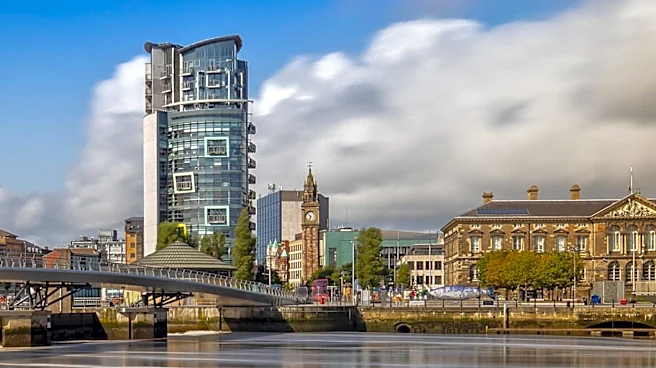
Belfast is experiencing a revival of its historic linen industry, which is contributing to a new identity for the city. The Kindred of Ireland boutique, run by designer Amy Anderson and her husband Joel, is at the forefront of this movement, offering
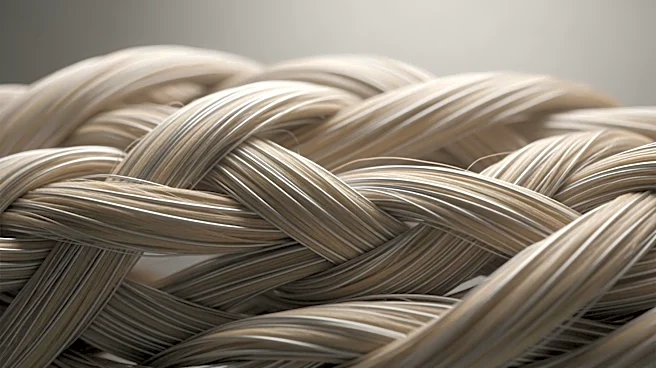
modern designs that incorporate traditional linen. The industry, once a major employer in Northern Ireland, is being revitalized with efforts from various stakeholders, including designer Sarah Burton and the Prince and Princess of Wales. Charlie Mallon, a former blacksmith, has repurposed his family farm to grow and process flax, the fiber used to make linen, using restored heritage machinery. This revival is not only about nostalgia but also about sustainable fashion and regenerative farming, attracting attention from high-profile figures and contributing to Belfast's evolving narrative.
Why It's Important?
The revival of the linen industry in Belfast is significant for several reasons. Economically, it offers potential growth and job creation in a region historically affected by industrial decline. Culturally, it helps reshape Belfast's image from one associated with conflict to one of innovation and sustainability. The involvement of high-profile figures like the Prince and Princess of Wales highlights the importance of sustainable practices in fashion, potentially influencing broader industry trends. Additionally, the alignment with EU single-market rules under the Windsor framework provides Northern Irish businesses with unique advantages, facilitating trade and market access. This development could serve as a model for other regions seeking to revitalize traditional industries in a modern context.
What's Next?
The continued growth of Belfast's linen industry is likely to attract more attention and investment, both locally and internationally. The planned temporary boutique in London and previous successful pop-up events indicate expanding market opportunities for Kindred of Ireland and similar businesses. As interest in sustainable fashion grows, more designers and brands may explore linen as a viable material, further boosting the industry. Additionally, the collaboration between local businesses and international figures could lead to more initiatives focused on sustainable practices and regenerative agriculture, potentially influencing policy and industry standards.
Beyond the Headlines
Beyond the immediate economic and cultural impacts, the revival of Belfast's linen industry could have deeper implications for the region's identity and heritage. It represents a shift towards valuing traditional skills and materials in a modern context, fostering a sense of pride and continuity among residents. The focus on sustainability and regenerative farming aligns with global environmental goals, potentially positioning Belfast as a leader in eco-friendly practices. This movement also highlights the importance of preserving cultural heritage while adapting to contemporary needs, offering lessons for other regions with similar histories.