




What's Happening?
The Primerica Household Budget Index (HBI) for April 2026 indicates a decline in the purchasing power of middle-income families, primarily due to rising gas prices. The index, which measures the ability of families with incomes between $30,000 and $130,000
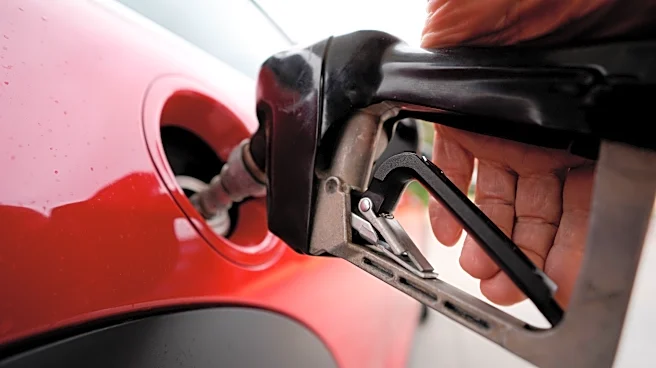
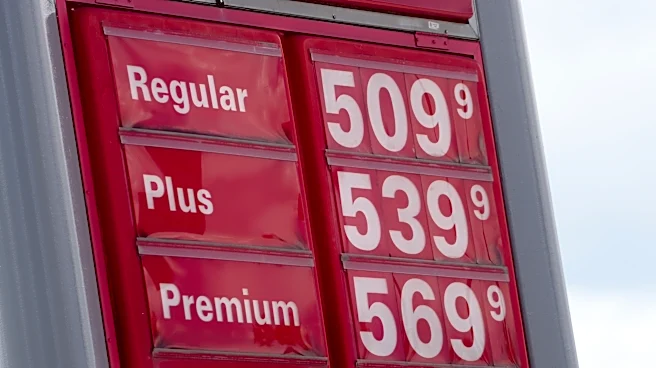
to afford necessities, fell to 99.4%, down 1.7% from March. Gas prices increased by 11% in the past month and 28% year-over-year, significantly impacting the cost of living. The Consumer Price Index (CPI) also rose by 3.8% in April, with inflation for middle-income families reaching 4.4%. The HBI highlights the growing financial pressure on middle-income households as the cost of essential items like food, utilities, and healthcare continues to rise.
Why It's Important?
The decline in purchasing power for middle-income families is a critical economic issue, as these households represent a significant portion of the U.S. population and are key drivers of consumer spending. Rising costs of necessities, particularly gas, can lead to reduced disposable income, limiting families' ability to save and invest in their future. This financial strain can have broader economic implications, potentially slowing economic growth and increasing demand for social safety net programs. Understanding the impact of inflation on middle-income families is essential for policymakers to develop targeted interventions that support economic stability and growth.
What's Next?
As gas prices and inflation continue to rise, middle-income families may face increasing financial challenges. Policymakers may need to consider measures to address the root causes of inflation and support wage growth to help families maintain their purchasing power. Additionally, there may be a need for targeted assistance programs to help families cope with rising costs. The economic outlook will depend on various factors, including global oil prices, domestic economic policies, and broader economic trends. Stakeholders, including government agencies, economists, and consumer advocacy groups, will likely play a role in shaping the response to these challenges.