







What's Happening?
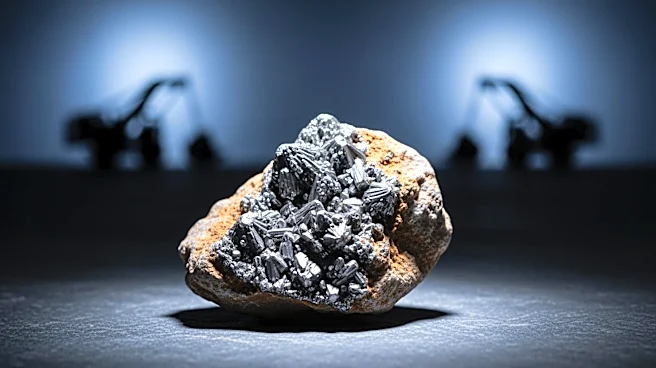
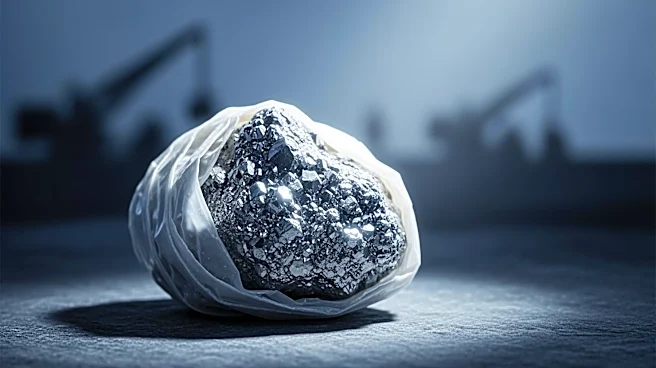
Giyani Metals, a company listed on the TSX-V, has announced successful interim results from Phase 2 of its Digital DNA Supply Chain Qualification Program. The program, conducted in collaboration with US battery technology leader Charge CCCV (C4V), involves
testing high-purity manganese oxide (HPMO) produced at Giyani's demonstration plant in Johannesburg, South Africa. The results indicate that Giyani's HPMO meets C4V's quality assurance standards, showing consistent rate and cycling stability. The ongoing Phase 2 testing involves long cycle life testing on single-layer pouch cells, with further evaluation expected to reach 80% retained capacity within 60 days. Giyani is also preparing for Phase 3, which will involve multi-layer pouch cell testing. The company is concurrently working on a definitive feasibility study for its K.Hill battery-grade manganese project in Botswana, expected to be released this quarter.
Why It's Important?
The positive results from Giyani's Phase 2 testing are significant for the battery technology industry, particularly in the context of the growing demand for high-quality battery materials. Giyani's ability to produce HPMO that meets stringent quality standards positions the company as a competitive player in the supply chain for battery manufacturers. This development could enhance the reliability and performance of batteries, which is crucial for applications in electric vehicles and renewable energy storage. Additionally, the successful testing and potential partnerships with strategic partners could lead to increased investment and expansion opportunities for Giyani, further strengthening its market position.
What's Next?
Giyani plans to continue with Phase 2 testing until the cells reach 80% capacity retention, followed by Phase 3 testing. The company is also focused on completing the definitive feasibility study for its K.Hill project, which will provide insights into the project's economic viability and potential for large-scale production. Giyani's ongoing discussions with potential strategic partners could lead to collaborations that support its strategic goals and objectives. As the company advances its projects, it will likely seek to secure additional financing and offtake agreements to support its growth and development in the battery materials market.