






What's Happening?
Winnie M. Li, a woman who was sexually assaulted while hiking alone 18 years ago, has developed a personal tradition of marking the anniversary of the incident with a solo walk. Initially, the idea of being alone outdoors was overwhelming for Li, who suffered
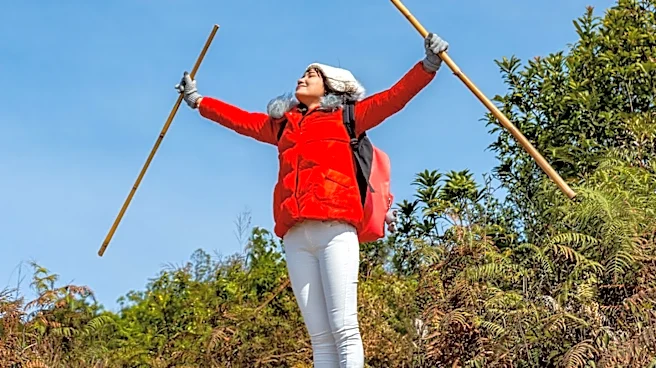
from post-traumatic stress disorder (PTSD) following the assault. Her journey back to nature began gradually, with initial walks accompanied by friends, eventually leading to solo walks in small city parks. Over time, these walks have evolved from being a reminder of trauma to a celebration of survival and personal growth. Li now views the anniversary as a marker of how far she has come in reclaiming her life and enjoying nature once again.
Why It's Important?
Li's story highlights the resilience and recovery process of trauma survivors. Her annual walks serve as a powerful symbol of reclaiming personal space and autonomy, demonstrating the potential for healing and empowerment after traumatic events. This narrative is significant as it sheds light on the broader issues of sexual assault and PTSD, emphasizing the importance of mental health support and the healing power of nature. Li's experience also underscores the need for safe spaces and supportive communities for survivors, as well as the role of personal rituals in the recovery process.
What's Next?
Li continues to embrace her annual walks as a form of personal reflection and celebration of her resilience. Her journey may inspire other survivors to find their own paths to healing and empowerment. As Li shares her story, it may also contribute to broader discussions on trauma recovery and the importance of mental health awareness. Her experience could encourage more initiatives aimed at providing support and resources for survivors of sexual assault, fostering a more understanding and supportive society.
Beyond the Headlines
Li's story also touches on the cultural and societal aspects of trauma recovery. It highlights the ongoing challenges faced by survivors in reclaiming their sense of safety and normalcy. Her narrative may prompt discussions on the societal perceptions of trauma and the importance of creating environments that support healing. Additionally, Li's journey reflects the broader human capacity for resilience and the transformative power of nature in the healing process.