
What's Happening?
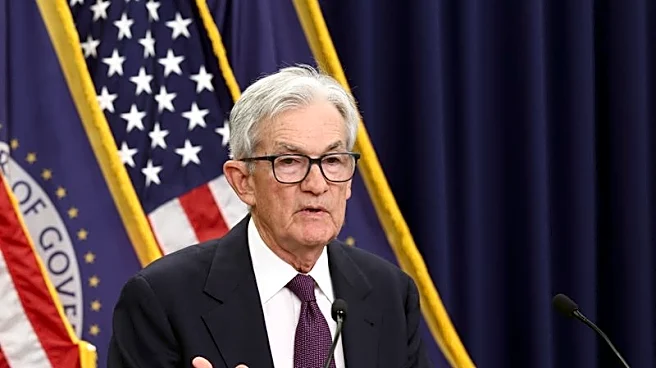
Jerome Powell, the current Chair of the Federal Reserve, announced his intention to remain on the board after his term as chair ends on May 15, 2026. This decision comes amid legal challenges from the Trump
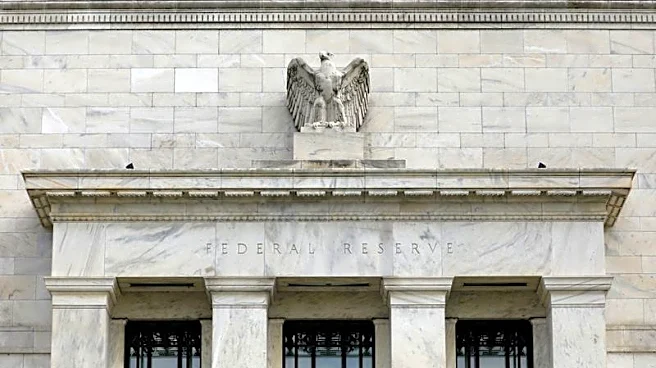
administration, which Powell claims threaten the independence of the central bank. The Senate Banking Committee has approved Kevin Warsh, a Trump appointee, as Powell's successor. Powell's continued presence on the board is unprecedented since 1948 and denies President Trump the opportunity to appoint another member to the board. The Federal Reserve has decided to keep its benchmark interest rate unchanged, with Powell citing the need for the investigation into the Fed's building renovations to conclude before he steps down.
Why It's Important?
Powell's decision to remain on the board highlights the ongoing tension between the Federal Reserve and the Trump administration. By staying, Powell maintains influence over the board's composition and decision-making, potentially affecting future monetary policy. This move underscores the importance of central bank independence, as Powell seeks to protect the institution from political pressures. The legal challenges and investigation into the Fed's renovations add complexity to the situation, with potential implications for governance and policy. Powell's presence may also impact Warsh's ability to implement changes advocated by the Trump administration, such as interest rate cuts.
What's Next?
The Federal Reserve will continue to face scrutiny as the investigation into its headquarters renovation progresses. Powell's decision to stay on the board may influence the confirmation process for Kevin Warsh and the future direction of U.S. monetary policy. The Trump administration's response to Powell's decision and the ongoing legal challenges will be closely watched. Stakeholders will monitor the Fed's policy decisions, particularly regarding interest rates, as the economic landscape remains uncertain. The potential for increased tensions between the Fed and the administration could impact the institution's ability to operate independently.