



What's Happening?
Ericsson, a leading telecommunications company, is celebrating its 150th anniversary amidst significant challenges and opportunities. Founded in 1876, Ericsson has grown to become the largest maker of 5G network equipment in the West, second only to China's
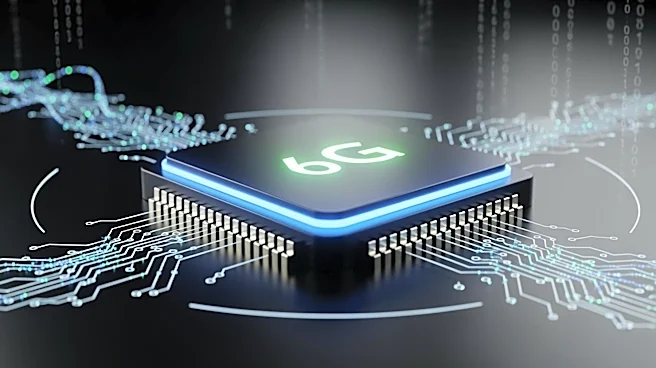
Huawei globally. As the company marks this milestone, it faces a slump in customer spending, the emergence of 6G technology, and geopolitical uncertainties. Despite these challenges, Ericsson remains committed to innovation, with plans to relocate its headquarters within Stockholm and continue investing in 5G and AI technologies. The company is also navigating the competitive landscape, particularly against Huawei, while exploring new business models to leverage 5G capabilities.
Why It's Important?
Ericsson's journey reflects broader trends in the telecommunications industry, including the rapid evolution of mobile technology and the impact of geopolitical tensions on global business operations. The company's focus on 5G and AI highlights the potential for these technologies to transform industries and drive economic growth. However, the challenges faced by Ericsson, such as declining revenues and competition from Huawei, underscore the difficulties in monetizing new technologies. The outcome of Ericsson's strategies will have implications for the global telecom market, influencing how companies adapt to technological advancements and geopolitical shifts.
What's Next?
Looking ahead, Ericsson is poised to continue its investment in 5G and AI, with the potential to lead in the development of 6G technologies. The company's ability to navigate geopolitical challenges and maintain its competitive edge will be crucial. As Ericsson implements its new headquarters and explores new business models, its strategies will likely influence industry standards and practices. The company's success or failure in these endeavors will impact its position in the global market and could shape the future of telecommunications technology.