




What's Happening?
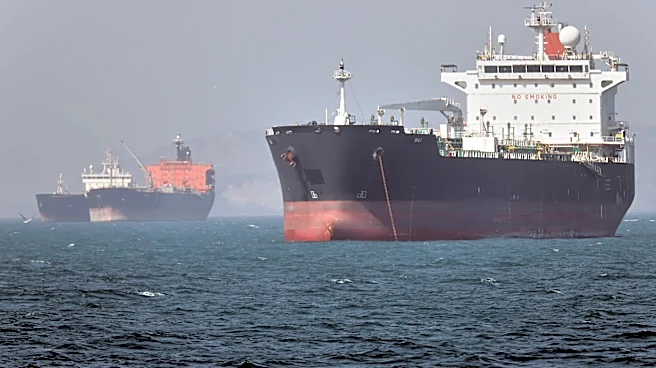
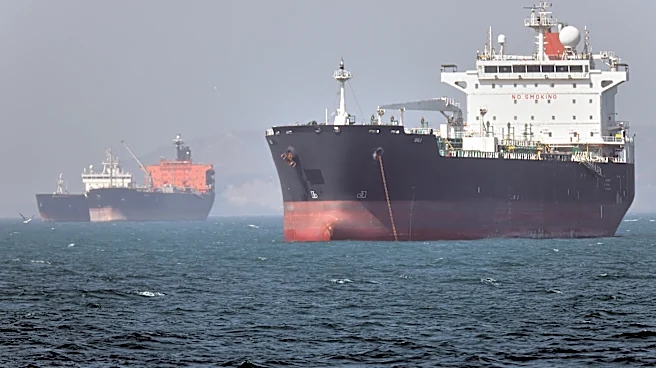
Aluminium Bahrain (Alba) experienced a 17% decline in sales volumes in Q1 2026 due to the closure of the Strait of Hormuz, a critical maritime corridor. Despite the sales drop, Alba reported a 316% surge in net profit, attributed to higher aluminium prices
driven by supply disruptions. The company faced logistical challenges, rerouting up to 60% of its exports overland through Saudi Arabia to the Red Sea port of Jeddah. Alba also shut down 19% of its production capacity in response to the crisis. The situation highlights the geographic concentration risk in the Gulf's aluminium production.
Why It's Important?
The closure of the Strait of Hormuz underscores the strategic vulnerabilities of relying on a single maritime corridor for exports. Alba's ability to maintain profitability despite reduced sales volumes demonstrates the impact of commodity price fluctuations on financial performance. The situation has broader implications for global aluminium markets, as supply disruptions can lead to significant price increases. The crisis may prompt industry stakeholders to reassess their supply chain strategies and consider geographic diversification to mitigate similar risks in the future.
Beyond the Headlines
Alba's acquisition of Aluminium Dunkerque in Europe during the crisis reflects a strategic move to diversify its production base and reduce dependency on the Gulf region. This acquisition could enhance Alba's resilience against future geopolitical disruptions and provide access to European markets. The situation also highlights the importance of logistics flexibility and contingency planning in maintaining operational continuity during supply chain disruptions.