





What's Happening?
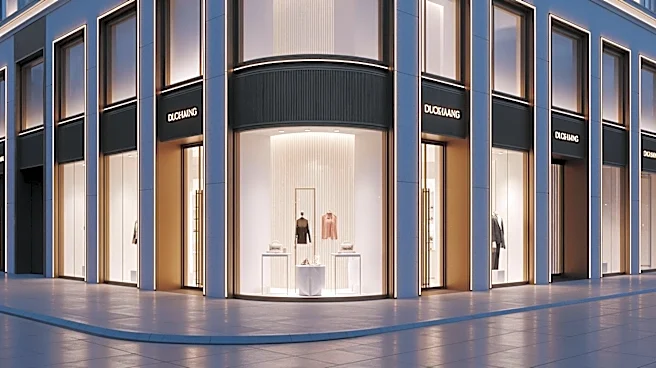
According to a recent report by the international property company Savills, New York City has emerged as the top global location for luxury store openings in 2025. The city saw a 23% increase in luxury store openings compared to the previous year, reclaiming
its position as a prime destination for luxury retail, a title it last held in 2019. This resurgence is attributed to favorable market conditions, including increased availability and reduced rents along key luxury corridors such as Fifth Avenue and Madison Avenue. These changes have created opportunities for brands to secure flagship spaces, with 56% of new luxury openings concentrated in these areas. The report also notes that North America led globally in luxury store openings, accounting for 27% of the activity.
Why It's Important?
The resurgence of New York City as a hub for luxury retail is significant for several reasons. It signals a shift in brand expansion strategies, with a renewed focus on cities that offer a combination of scale, wealth, and strategic relevance. This trend underscores the importance of the U.S. market, particularly New York, as a cornerstone for luxury brands seeking exposure to high-spending consumers. The report also highlights a broader recalibration in the luxury sector, with brands prioritizing quality over quantity in their retail presence. This strategic focus on established luxury ecosystems like New York could influence global retail trends and investment decisions in the luxury sector.
What's Next?
As New York City continues to attract luxury brands, the focus will likely remain on securing prime retail spaces in established corridors. The trend of selective expansion is expected to persist, with brands concentrating their investments in markets with strong demand fundamentals and long-term growth potential. This could lead to increased competition for premium retail locations in New York and other major cities. Additionally, the luxury sector may continue to adapt to changing consumer preferences and economic conditions, potentially influencing future store opening strategies and market dynamics.