






What's Happening?
The latest What’s Trending in Nutrition survey highlights seven key nutrition trends reshaping the future of food and beverage. Clean eating has emerged as the top diet trend of 2026, driven by consumer demand for natural, minimally processed foods with
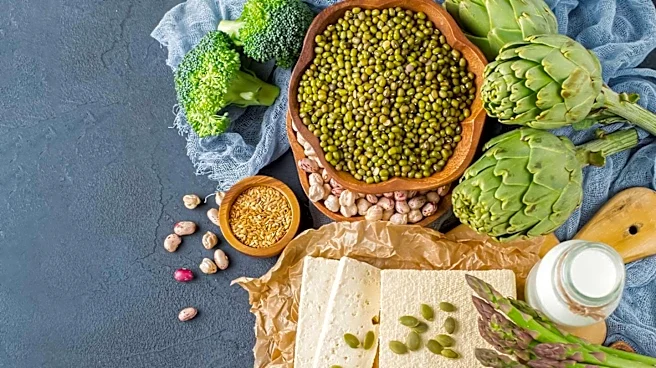
short ingredient lists. The gut health industry continues to grow, with its value expected to more than double in the next seven years. Other notable trends include the influence of social media platforms like TikTok on nutrition narratives, the rise of emerging ingredients such as collagen and adaptogens, and the ongoing demand for protein-enriched products. Additionally, there is a shift towards tangible solutions addressing environmental impact and food security, with cell-based products and plant-based foods gaining momentum.
Why It's Important?
These trends reflect a significant shift in consumer priorities towards health, sustainability, and transparency in food and beverage choices. The emphasis on clean eating and gut health indicates a growing awareness of the impact of diet on overall well-being. As consumers become more informed and discerning, brands that can align with these values are likely to gain a competitive advantage. The influence of social media on nutrition highlights the need for credible information and responsible marketing practices. Furthermore, the focus on sustainability and innovation in food production presents opportunities for the industry to address global challenges such as climate change and food security.
What's Next?
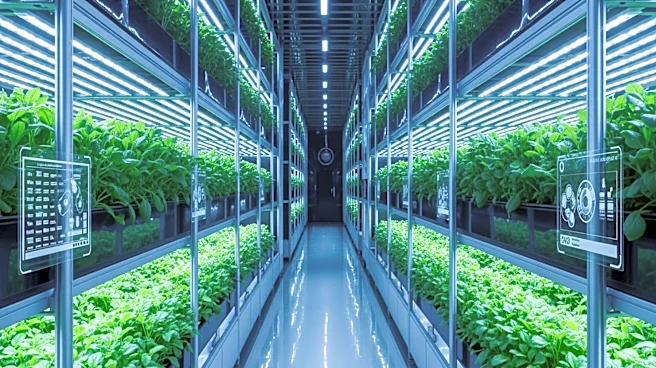
As these trends continue to evolve, we can expect to see increased innovation in product development and marketing strategies. Brands will need to prioritize transparency, sustainability, and consumer education to build trust and loyalty. The rise of emerging ingredients and functional foods will likely lead to new product categories and market segments. Additionally, the integration of technology and data analytics in food production and distribution could enhance supply chain resilience and efficiency. As consumer expectations continue to rise, the industry will need to adapt and innovate to meet the demand for healthier, more sustainable food options.