





What's Happening?
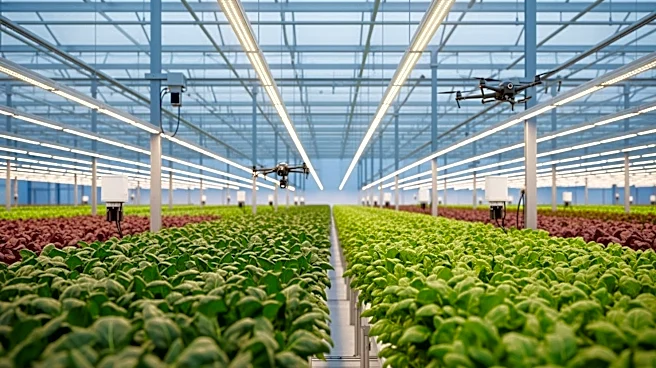
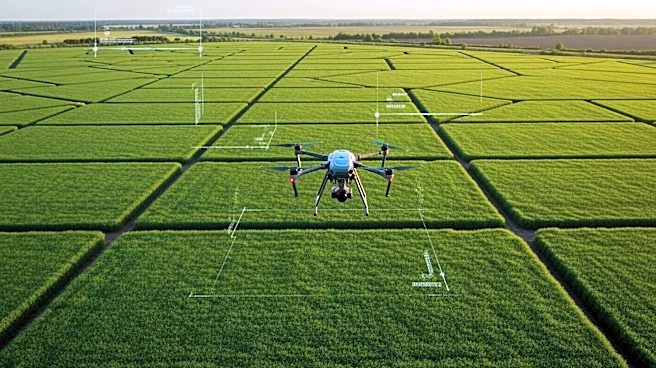
Sanjay Borkar, Co-founder and CEO of FarmERP, highlights the increasing role of data and technology in agriculture, emphasizing the need for smart agriculture solutions. FarmERP, a digital platform, integrates various aspects of agribusiness, such as farm
operations, procurement, logistics, finance, and compliance, into a unified system. This integration aims to address the challenges of visibility and decision-making in a fragmented agricultural sector. The platform utilizes AI-driven analytics, IoT sensors, satellite-based crop monitoring, and blockchain-based traceability to optimize resource use and improve decision-making. FarmERP's solutions are being adopted across multiple regions, including India, Africa, the Middle East, and Latin America, driven by climate risks and regulatory pressures.
Why It's Important?
The adoption of smart agriculture solutions like FarmERP is crucial in addressing the challenges faced by the agricultural sector, such as resource wastage, inconsistent traceability, and vulnerability to climate shocks. By providing real-time insights and optimizing resource use, these solutions can help agribusinesses improve efficiency and competitiveness. The shift towards data-centric operations is not only about convenience but also about survival in a rapidly changing environment. As climate risks and regulatory pressures increase, the demand for such technologies is expected to grow, potentially transforming the agricultural landscape and enhancing food security.
What's Next?
FarmERP anticipates that AI-driven farm management platforms will become integral to modern agribusiness operations, moving from experimental tools to essential operating systems. This shift will likely lead to more efficient and sustainable agricultural practices, as businesses focus on managing resources effectively from production to market. The continued adoption of these technologies could drive significant changes in the agricultural sector, influencing policy decisions and market dynamics. Stakeholders, including farmers, cooperatives, and food processors, may need to adapt to these changes to remain competitive.
Beyond the Headlines
The integration of advanced technologies in agriculture raises ethical and cultural considerations, such as data privacy and the impact on traditional farming practices. As digital platforms become more prevalent, there may be concerns about data ownership and the potential for technology to widen the gap between large agribusinesses and smallholder farmers. Additionally, the reliance on technology could lead to a loss of traditional agricultural knowledge and practices, necessitating a balance between innovation and cultural preservation.