





What's Happening?
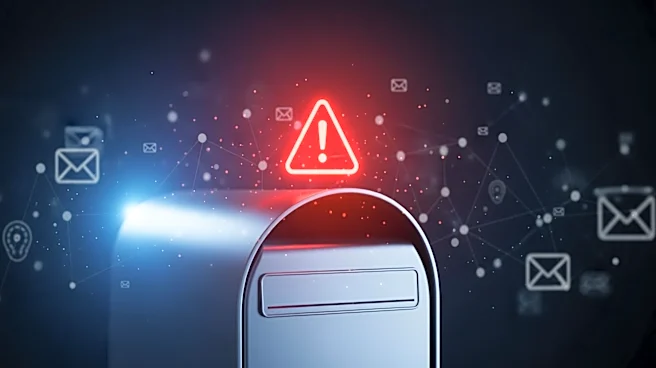
The National Insurance Producers Registry (NIPR) has issued a warning to insurance agents regarding a phishing email campaign that impersonates NIPR and requests payment for past-due invoices. These fraudulent emails may appear to originate from trusted
sources such as @nipr.com, @naic.org, or @stipe, but they are not legitimate. NIPR advises agents to exercise caution and not to open attachments, click links, or send payments if they receive such emails. The organization has urged agents to contact NIPR directly at niprbillingdept@nipr.com before taking any action. The National Association of Insurance Commissioners (NAIC) is also involved in investigating and monitoring this phishing activity. Notifications have been sent to all insurance commissioners, who are disseminating the information through their websites.
Why It's Important?
This phishing campaign poses a significant threat to insurance agents, potentially leading to financial losses and compromised personal information. By impersonating trusted entities, these emails can deceive agents into making payments or divulging sensitive information. The broader impact includes potential disruptions in the insurance industry, as agents may face financial and reputational damage. The involvement of NAIC highlights the seriousness of the threat, as it could affect regulatory compliance and trust within the industry. Agents and their clients could suffer from financial fraud, emphasizing the need for heightened vigilance and cybersecurity measures.
What's Next?
NIPR and NAIC are actively investigating the phishing activity and monitoring its progression. Insurance agents are expected to remain vigilant and report any suspicious emails to NIPR. The ongoing investigation may lead to further security measures and guidelines to protect agents from similar threats in the future. Insurance commissioners will continue to update their websites with relevant information to keep agents informed. The industry may see increased collaboration between regulatory bodies and insurance companies to enhance cybersecurity protocols.