






What's Happening?
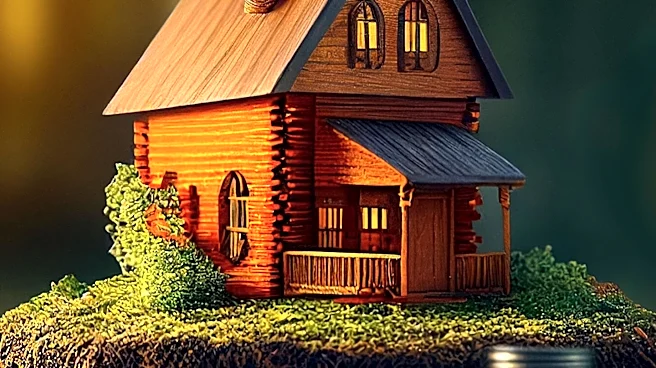
Jim McElwain, a tech salesman from Ohio, has constructed a tiny home as a DIY project over the past decade. The 400-square-foot home, located in rural Ohio, is fully furnished with essential amenities such as a kitchen, shower, and air conditioning. McElwain plans
to list the property on Airbnb, hoping to earn $15,000 annually. The project began as a hobby, with McElwain learning construction techniques through YouTube tutorials and purchasing materials incrementally. The tiny home reflects a growing trend in the U.S. where individuals are opting for affordable and customizable housing solutions.
Why It's Important?
The rise of tiny homes represents a significant shift in housing preferences, offering a solution to the increasing cost of living in urban areas. McElwain's project highlights the potential for individuals to create additional income streams through vacation rentals. This trend can impact the real estate market by increasing demand for smaller, more affordable housing options. It also reflects a cultural shift towards minimalism and sustainable living. For McElwain, the tiny home serves as both a personal retreat and a financial investment, potentially increasing his property value and providing a steady income as he approaches retirement.
What's Next?
McElwain plans to list the tiny home on Airbnb, targeting travelers such as nurses, tourists, and parents visiting nearby colleges. The success of this venture could encourage others to explore similar projects, contributing to the growth of the tiny home market. As McElwain prepares for retirement, the additional income from Airbnb rentals could provide financial security. The tiny home trend may continue to expand, influencing housing policies and encouraging sustainable living practices.