
What's Happening?
Dr. Jeremy London, a cardiovascular doctor with over 25 years of experience, has issued a warning about the dangers of ultra-processed foods. According to Dr. London, these foods, which include mass-produced
bread, sugary drinks, pre-packaged snacks, fast food, and ready meals, are engineered for taste and convenience but can lead to significant health issues. He highlights that ultra-processed foods are filled with additives and artificial ingredients, lacking real nutrition. Dr. London cites research indicating that a 10 percent increase in the consumption of these foods correlates with a 10 percent increase in mortality risk. He argues that these foods disrupt glucose metabolism, increase inflammation, and harm the gut microbiome. NHS doctor Chris van Tulleken supports this view, suggesting that ultra-processed foods have overtaken tobacco as a leading cause of early death globally.
Why It's Important?
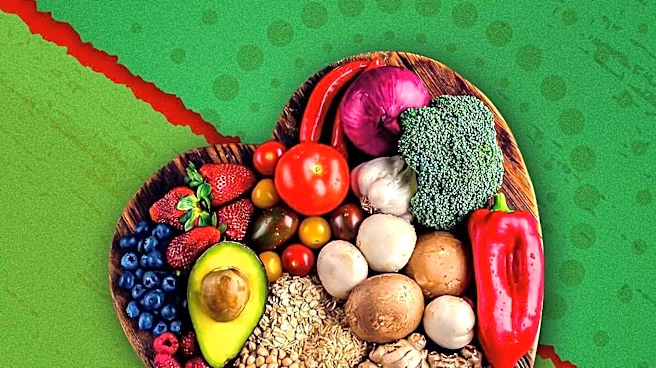
The warning from Dr. London underscores a growing concern about the impact of diet on public health. Ultra-processed foods are prevalent in the American diet, and their consumption is linked to obesity, cardiovascular disease, and other health problems. The potential for these foods to increase mortality rates highlights the need for public health initiatives to address dietary habits. The comparison to smoking, a well-known health risk, emphasizes the severity of the issue. This could lead to increased advocacy for dietary changes, such as adopting a Mediterranean-style diet, which is associated with lower risks of heart and circulatory diseases.
What's Next?
Public health officials and policymakers may need to consider strategies to reduce the consumption of ultra-processed foods. This could involve educational campaigns to raise awareness about the health risks associated with these foods and promote healthier dietary choices. Additionally, there may be calls for regulatory measures to limit the availability of ultra-processed foods or to improve labeling to inform consumers about their contents. The food industry might also face pressure to reformulate products to reduce harmful additives and increase nutritional value.
Beyond the Headlines
The discussion around ultra-processed foods also touches on broader issues of food accessibility and socioeconomic factors. Many people rely on these foods due to their affordability and convenience, raising questions about food equity and access to healthier options. Addressing the health risks associated with ultra-processed foods may require systemic changes to ensure that all individuals have access to nutritious, affordable food. This could involve policy changes to support local food systems and initiatives to make fresh produce more accessible in underserved communities.