



What's Happening?
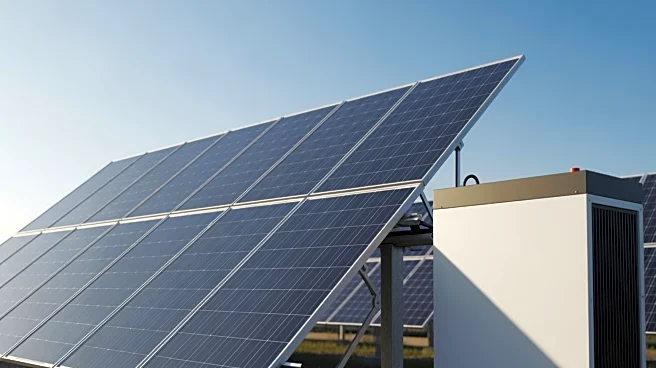
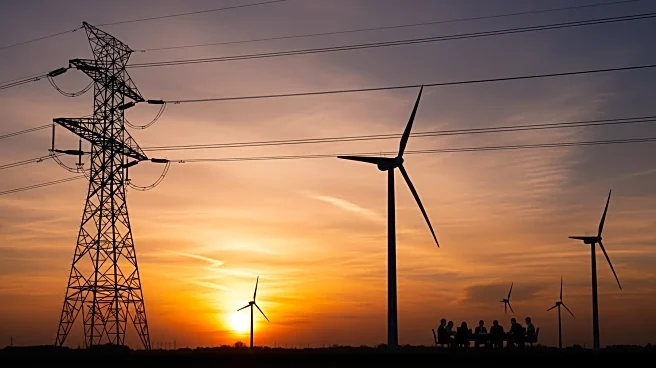
Barclays has issued a warning that grid constraints could potentially strand renewable energy assets, despite a record level of global investment in clean energy. This issue highlights a growing gap between the development of renewable energy projects
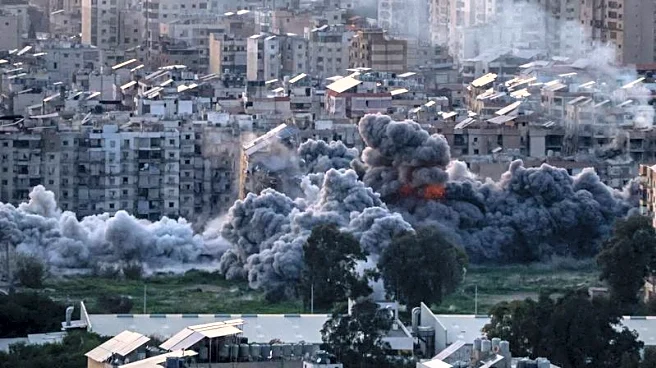
and the necessary infrastructure to deliver power to markets. The report emphasizes that investment in energy transition alone is insufficient without addressing transmission capacity, grid reliability, and permitting timelines, which are becoming critical bottlenecks. Additionally, geopolitical events have recently caused volatility in energy markets, with oil prices rising due to tensions involving Iran. Despite these challenges, capital continues to flow into shale, natural gas, and power infrastructure, indicating ongoing investor confidence in the energy sector.
Why It's Important?
The warning from Barclays underscores the critical need for infrastructure development to support the transition to renewable energy. Without adequate grid capacity and reliability, investments in renewable projects may not translate into actual energy supply, potentially stalling progress towards clean energy goals. This situation could have significant implications for U.S. energy policy and investment strategies, as the country seeks to balance energy security with environmental sustainability. The ongoing geopolitical tensions and their impact on energy prices further complicate the landscape, highlighting the interconnectedness of global energy markets and the need for resilient infrastructure to mitigate supply disruptions.
What's Next?
To address these challenges, stakeholders in the energy sector, including policymakers, investors, and utility companies, may need to prioritize infrastructure investments and streamline permitting processes. This could involve policy reforms to facilitate faster development of transmission lines and other critical infrastructure. Additionally, the energy sector may see increased collaboration between public and private entities to ensure that renewable energy projects can be effectively integrated into the existing grid. As geopolitical tensions continue to influence energy markets, there may also be a push for greater energy independence and diversification of energy sources.