






What's Happening?
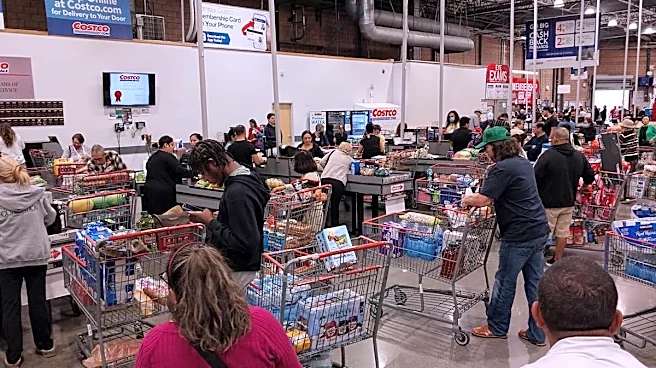
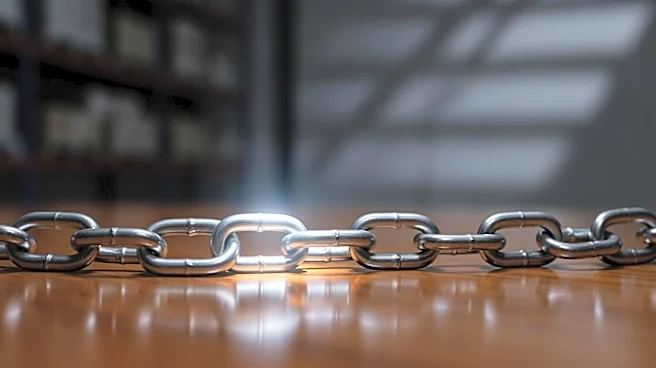
U.S. companies are under growing pressure to address forced labor in their supply chains. Despite U.S. laws banning goods made with forced labor, the practice persists globally. The government is ramping up enforcement efforts, and companies risk legal
action if they are found to benefit from or unknowingly use forced labor. Courts require proof that companies knew or should have known about such violations. To mitigate these risks, companies are advised to enhance supply chain transparency, conduct thorough due diligence, enforce strict policies, and incorporate strong labor standards in contracts. These proactive measures are essential to prevent forced labor and avoid potential legal liabilities.
Why It's Important?
The increased scrutiny on forced labor in supply chains has significant implications for U.S. companies. Failure to address these issues can lead to legal challenges, reputational damage, and financial losses. As enforcement intensifies, companies must prioritize ethical sourcing and compliance with labor standards to avoid penalties and maintain consumer trust. This development underscores the importance of corporate social responsibility and the need for businesses to ensure that their operations do not contribute to human rights abuses. Companies that successfully implement robust compliance measures may gain a competitive advantage by demonstrating their commitment to ethical practices.