
What's Happening?
Formula One is set to revise its engine regulations for the 2027 season after receiving criticism from drivers, including Red Bull's Max Verstappen, regarding the current engine design's impact on racing.
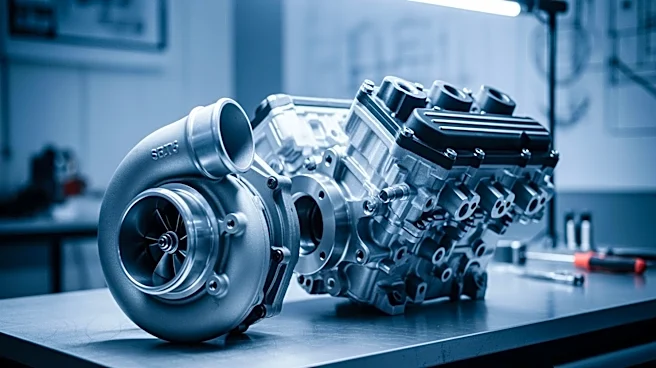
The FIA, along with F1 teams and engine manufacturers, have agreed in principle to reduce the reliance on electrical energy and increase the output of internal combustion engines. This decision follows feedback that the 2026 regulations, which increased the role of hybrid energy systems, forced drivers to manage energy excessively, detracting from competitive racing. The proposed changes aim to make the cars easier to drive while maintaining competition. Recent tweaks at the Miami Grand Prix have already shown positive results, and further discussions are needed before finalizing the 2027 package.
Why It's Important?
The decision to revise the engine regulations is significant as it addresses concerns from drivers about the current state of racing, which could impact the sport's competitiveness and viewership. By reducing the emphasis on energy management, the changes aim to enhance the driving experience and maintain the sport's appeal. This move could also influence the development strategies of teams and manufacturers, potentially leading to innovations in engine technology. The revisions reflect the sport's responsiveness to stakeholder feedback, which is crucial for maintaining its global fan base and commercial success.
What's Next?
Technical working groups comprising teams and engine manufacturers will continue to refine the proposed changes before they are submitted for formal approval through a World Motor Sport Council vote. The ongoing discussions will likely involve further input from drivers and other stakeholders to ensure the new regulations meet the sport's competitive and technological goals. The finalization of the 2027 package will set the stage for future developments in F1 racing, potentially influencing the direction of the sport for years to come.