

What's Happening?
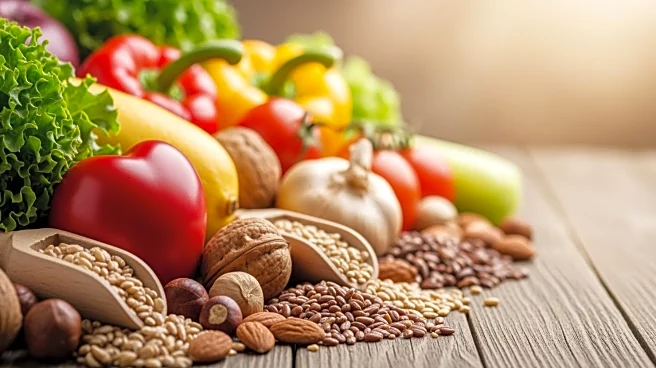
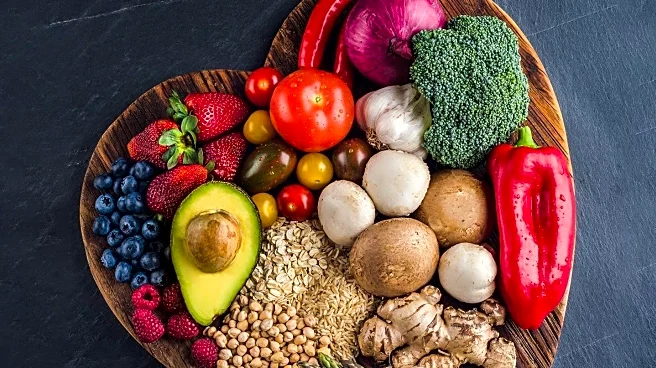
Dr. Renato Apolito, a board-certified cardiologist with over 20 years of experience, emphasizes the importance of a diet rich in whole foods for maintaining heart health. He advocates for meals that include leafy greens, colorful vegetables, and lean
proteins, which help lower LDL cholesterol and reduce the risk of heart disease. Dr. Apolito's dietary recommendations align with the latest Dietary Guidelines for Americans, which suggest avoiding highly processed foods high in sodium and preservatives. Despite the challenges posed by the prevalence of processed foods in society, Dr. Apolito encourages a 'farmer's diet' approach, focusing on seasonal and local whole foods. He acknowledges the difficulty of maintaining such a diet due to the accessibility and affordability of processed foods, which constitute more than half of the calories consumed at home by Americans.
Why It's Important?
The emphasis on whole foods over processed options is crucial in addressing the rising health concerns associated with high sodium and preservative intake, which are linked to heart disease. Dr. Apolito's insights highlight a significant public health issue, as processed foods dominate the American diet, contributing to various health problems such as hypertension and diabetes. By promoting whole foods, there is potential to improve public health outcomes, reduce healthcare costs, and enhance the quality of life for many individuals. This approach also underscores the need for policy changes to improve access to affordable, healthy food options, particularly in underserved communities.
What's Next?
As awareness of the health risks associated with processed foods grows, there may be increased advocacy for policy changes to support healthier eating habits. This could include initiatives to make whole foods more accessible and affordable, as well as educational campaigns to inform the public about the benefits of a whole-foods-based diet. Healthcare providers might also play a more active role in guiding patients towards healthier dietary choices, potentially leading to a shift in consumer demand and food industry practices.
Beyond the Headlines
The push towards whole foods could have broader implications for the food industry, potentially driving innovation in the production and marketing of healthier food options. It may also influence cultural attitudes towards food, encouraging a return to traditional, less processed diets. Additionally, this movement could spark discussions about food justice and the socioeconomic factors that influence dietary choices, highlighting the need for systemic changes to ensure equitable access to nutritious foods.