


What's Happening?
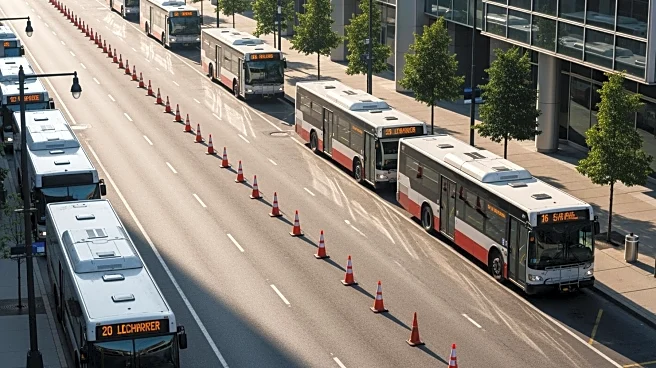
Seattle is preparing for a large-scale celebration to honor the Seattle Seahawks' Super Bowl victory with a parade scheduled for February 11. Up to a million fans are expected to gather in downtown Seattle, prompting regional transit agencies to implement extensive measures to accommodate the influx. King County Executive Girmay Zahilay and Metro General Manager Michelle Allison have emphasized the importance of public transit, encouraging residents to leave their cars at home. Sound Transit CEO Dow Constantine announced additional train services to facilitate travel. The City of Seattle plans to close several downtown streets, and King County Metro will reroute bus services to manage the expected crowds.
Why It's Important?
The Seahawks' victory parade is a significant
event for Seattle, celebrating the team's success and bringing together fans from across the region. The event highlights the importance of effective urban planning and public transit in managing large crowds and ensuring public safety. The parade is expected to boost local businesses as fans gather to celebrate, providing an economic uplift to the downtown area. The event also underscores the role of sports in fostering community spirit and regional pride.
What's Next?
As the parade approaches, Seattle's transit agencies will continue to refine their plans to ensure smooth operations on the day of the event. Residents and visitors are advised to stay informed about transit changes and plan their travel accordingly. The success of the parade's logistics could serve as a model for future large-scale events in the city, influencing how Seattle manages public gatherings and transportation in the future.
Beyond the Headlines
The Seahawks' parade offers an opportunity to examine the broader cultural impact of sports on community identity and cohesion. It also raises questions about the environmental impact of large public events and the potential for sustainable practices in event planning. The celebration may prompt discussions about the role of sports in urban development and the allocation of resources for public infrastructure.