

What's Happening?
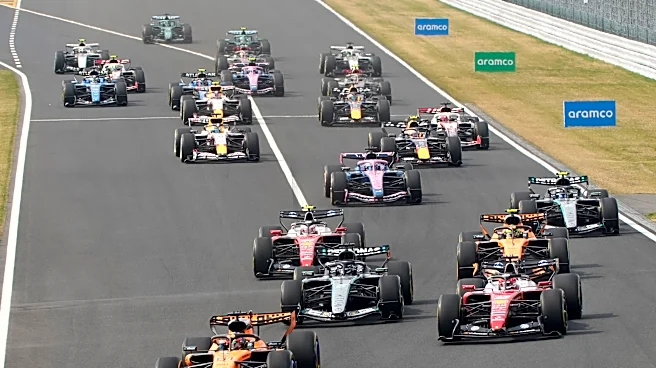
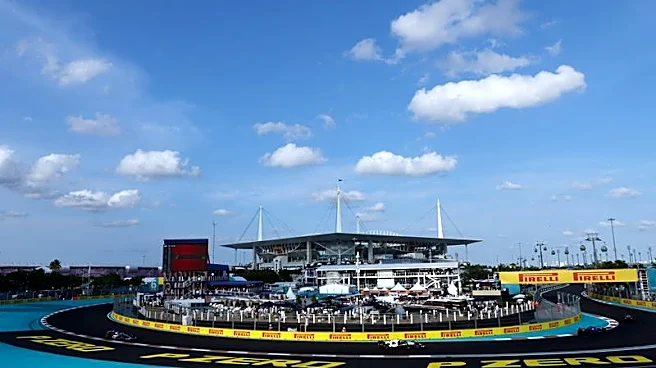
The FIA has announced a new 'low power start detection' system set to debut at the Miami Grand Prix, sparking significant backlash from Formula 1 fans. This system is designed to identify cars with unusually low acceleration at the start and automatically
trigger MGU-K deployment to boost their speed. The FIA claims this measure is purely for safety and does not confer any competitive advantage. However, fans and some drivers argue that this change dilutes the skill required for race starts, with critics suggesting it could lead to a future where automation plays a larger role in racing. Ferrari, known for their strong starts in 2026, have expressed confidence that the new rule will not affect their performance, as it targets only extreme cases of slow starts.
Why It's Important?
This development is significant as it highlights the ongoing tension between technological advancements and the preservation of driver skill in Formula 1. The introduction of automated systems in race starts could fundamentally alter the nature of the sport, potentially reducing the emphasis on driver ability. This change could impact team strategies and the competitive landscape, particularly for teams like Ferrari that have excelled under the current rules. The backlash from fans underscores a broader resistance to changes perceived as undermining the traditional skills and challenges of racing, raising questions about the future direction of Formula 1.
What's Next?
The new system will be tested during the Miami Grand Prix to assess its effectiveness and impact. Depending on the results, the FIA may decide to implement further adjustments or maintain the current setup. Teams and drivers will likely continue to voice their opinions, potentially influencing future regulatory decisions. The outcome of these tests could also affect how teams approach race strategies, particularly in terms of start procedures and car design. Stakeholders will be closely monitoring the situation to gauge the long-term implications for the sport.