



What's Happening?
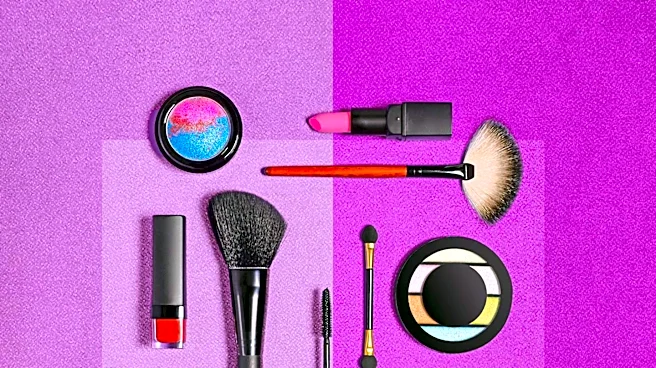
Rob Rausch, known for his appearances on Love Island USA and The Traitors US, has emerged as an unexpected figure in the beauty industry. The Alabama-born reality star has partnered with MAC Cosmetics and Kosas, fronting campaigns for their latest product
launches. Despite not being a typical beauty ambassador, Rausch's involvement has generated significant attention, with MAC Cosmetics reporting 9.7 million views on content featuring him. His appeal lies in his confidence and boldness, aligning with the brands' messaging. Rausch's mainstream recognition and strong female fanbase make him a commercially viable choice for beauty campaigns.
Why It's Important?
Rausch's entry into the beauty industry highlights a shift towards inclusivity and diversity in brand representation. His involvement challenges traditional norms, as beauty campaigns have historically skewed towards female and LGBTQ+ narratives. By choosing Rausch, brands like MAC Cosmetics and Kosas are tapping into a broader market, recognizing the growing interest in grooming and self-care among men. This move could influence other beauty brands to reconsider their ambassador choices, potentially leading to more diverse and unexpected partnerships that resonate with wider audiences.
What's Next?
As Rausch continues to gain traction in the beauty industry, other brands may follow suit, seeking unconventional ambassadors to broaden their appeal. This trend could lead to more collaborations that break traditional gender and cultural boundaries in beauty marketing. Additionally, the success of Rausch's campaigns may encourage brands to explore new narratives and identities, further diversifying the industry. Stakeholders will likely monitor the impact of these partnerships on sales and brand perception, potentially influencing future marketing strategies.
Beyond the Headlines
Rausch's role in the beauty industry could spark discussions on the evolving definitions of beauty and masculinity. His presence challenges stereotypes and encourages a more inclusive understanding of self-care and grooming. This development may also inspire conversations about the representation of straight cisgender men in beauty campaigns, potentially leading to broader acceptance and visibility. As the industry continues to evolve, these shifts could have lasting cultural implications, influencing societal perceptions of beauty and identity.