








What's Happening?
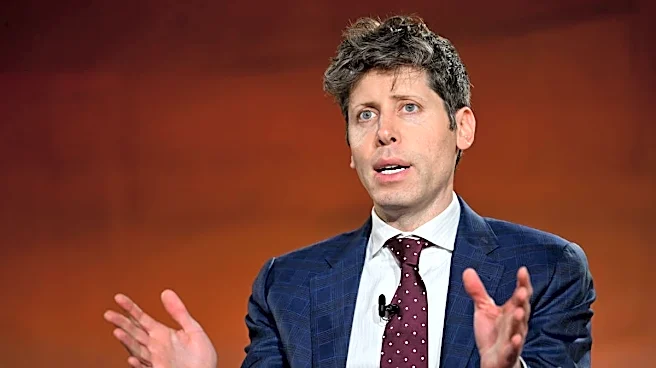
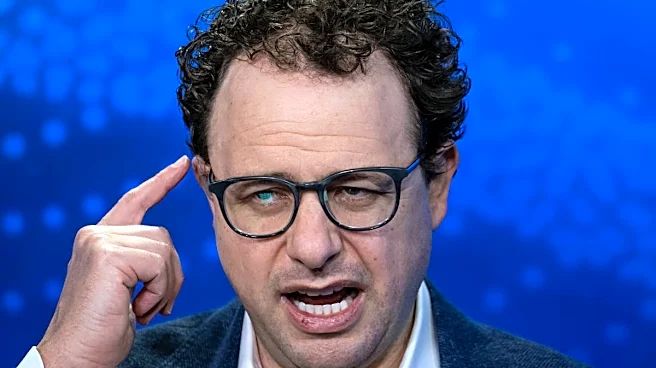
AI industry leaders, including OpenAI CEO Sam Altman and Microsoft AI CEO Mustafa Suleyman, are adjusting their narratives regarding the impact of artificial intelligence on white-collar jobs. Previously, there were widespread concerns about AI potentially
leading to significant job losses in sectors such as law, accounting, and marketing. Altman, who once anticipated a more immediate impact on entry-level positions, now believes the job landscape will not experience the drastic changes initially predicted. Suleyman clarified that while AI will automate certain tasks, it does not necessarily mean the elimination of entire roles. This shift in tone comes as the AI industry faces political backlash and public skepticism, with a significant portion of Americans expressing concerns over the rapid pace of AI development.
Why It's Important?
The reframing of AI's impact on employment is crucial as it addresses public fears and potential policy implications. The initial narrative of a 'jobs apocalypse' contributed to anxiety among workers and policymakers. By clarifying that AI will automate tasks rather than entire jobs, tech leaders aim to mitigate fears and encourage a more balanced view of AI's role in the workforce. This shift is also significant for the tech industry, which is under scrutiny as data centers become contentious issues and AI's rapid development faces criticism. The industry's ability to communicate effectively about AI's impact could influence regulatory approaches and public acceptance, affecting future innovation and economic opportunities.
What's Next?
As AI companies like OpenAI and Anthropic move towards initial public offerings, the industry is likely to continue refining its messaging to align with public sentiment and regulatory expectations. Policymakers may respond by developing frameworks to manage AI's integration into the workforce, balancing innovation with job security. The tech sector might also invest in reskilling programs to prepare workers for an AI-augmented job market. Additionally, ongoing public discourse and legislative actions, such as Seattle's moratorium on new data centers, will shape the trajectory of AI development and its societal impact.