







What's Happening?
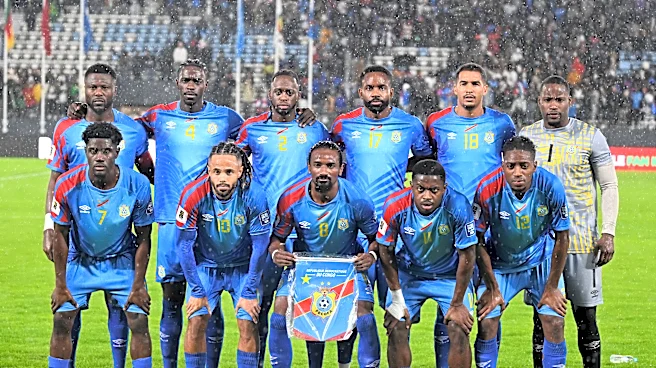
Andrew Giuliani, the executive director of the White House Task Force for the World Cup, has announced that the Congolese national soccer team must undergo a 21-day isolation period to ensure their entry into the United States for the upcoming World Cup.
This measure is in response to an Ebola outbreak in Congo, which has been declared a public health emergency of international concern by the World Health Organization. The team is currently training in Belgium and is scheduled to play warmup games there. Giuliani emphasized the importance of maintaining a strict isolation bubble to prevent any health risks upon their arrival in the U.S. The Centers for Disease Control and Prevention (CDC) is actively monitoring the situation, with staff in Europe overseeing the health protocols.
Why It's Important?
The decision to enforce a 21-day isolation period for the Congolese team underscores the U.S. government's commitment to safeguarding public health during major international events like the World Cup. This move highlights the ongoing global vigilance required to manage infectious disease outbreaks, especially in the context of large gatherings. The implications are significant for international sports, as it sets a precedent for how health crises can impact team logistics and participation. The situation also reflects the broader challenges of balancing public health concerns with the operational demands of global sporting events.
What's Next?
The Congolese team is expected to adhere to the isolation requirements in Belgium before traveling to the U.S. for their first match in Houston. The CDC may deploy additional staff to ensure compliance with health protocols. The situation will likely be closely monitored by FIFA and other international sports bodies, as it could influence future health and safety guidelines for international competitions. The outcome of this situation may also affect the participation of other teams from regions experiencing health crises.