








What's Happening?
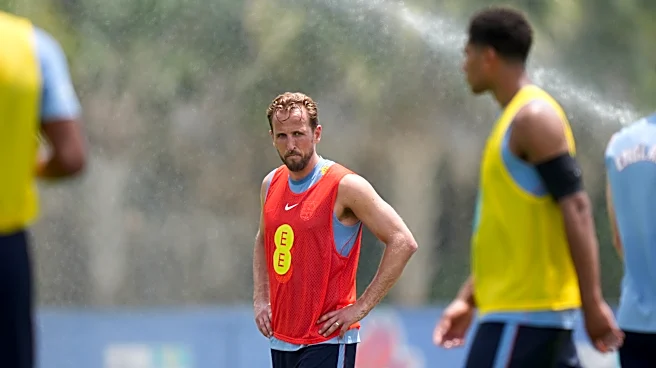
The upcoming FIFA World Cup, set to take place in North America, is facing significant challenges due to climate change. Rising global temperatures and increased humidity levels are expected to impact the tournament, which will be held in the summer months.
According to Kaitlyn Trudeau, a senior research associate of climate science, the combination of heat and humidity can create dangerous conditions for players, spectators, and officials. FIFA has implemented a tiered heat-mitigation model to address these concerns, including cooling breaks, air-conditioned stadiums, and weather-related delays. However, the effectiveness of these measures is being questioned as extreme weather events become more unpredictable. Discussions are underway to potentially move future tournaments to cooler months to mitigate these risks.
Why It's Important?
The impact of climate change on the FIFA World Cup highlights broader concerns about the feasibility of hosting major sporting events in increasingly extreme weather conditions. The health and safety of players and fans are at risk, and the quality of play may be compromised. This situation underscores the urgent need for sports organizations to adapt to new climate realities. The potential economic implications are significant, as the World Cup is a major revenue generator. If extreme weather continues to disrupt events, it could lead to financial losses and affect the global sports industry. Additionally, the cultural significance of the World Cup may be diminished if it cannot be held safely and enjoyably.
What's Next?
FIFA is considering moving the World Cup to cooler months in future years to avoid the extreme heat of summer. This would require significant changes to the traditional tournament schedule and could impact broadcasting and sponsorship agreements. In the short term, FIFA will continue to implement heat-mitigation strategies during the upcoming tournament. However, there is concern that these measures may not be sufficient to protect participants from the effects of climate change. The organization will need to closely monitor the situation and be prepared to make further adjustments as necessary.
Beyond the Headlines
The challenges faced by the FIFA World Cup due to climate change reflect a broader issue affecting many outdoor sports. As global temperatures rise, the viability of hosting events like the World Cup and the Olympics in traditional formats is increasingly in question. This situation raises ethical considerations about the responsibility of sports organizations to prioritize the health and safety of participants over financial and commercial interests. It also highlights the need for a global response to climate change, as the impacts are felt across various sectors, including sports, agriculture, and public health.