

What's Happening?
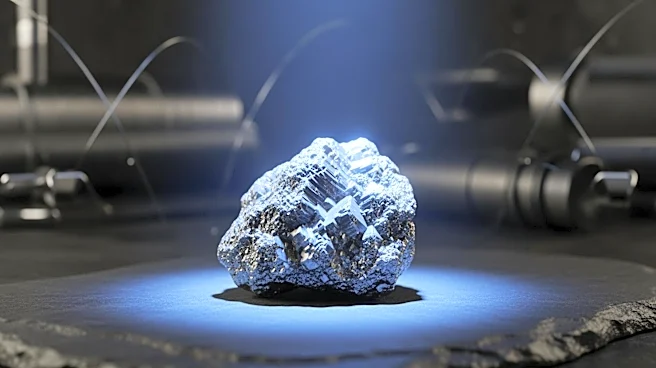
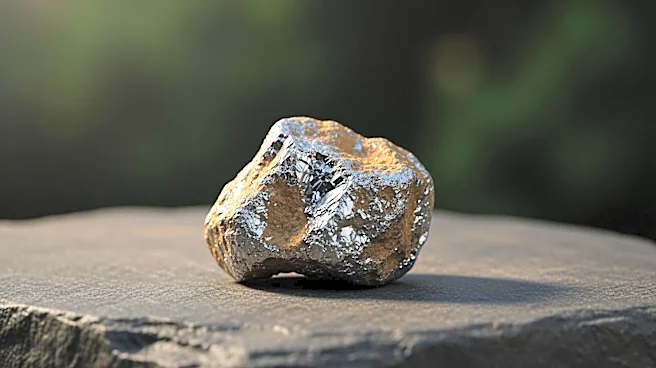
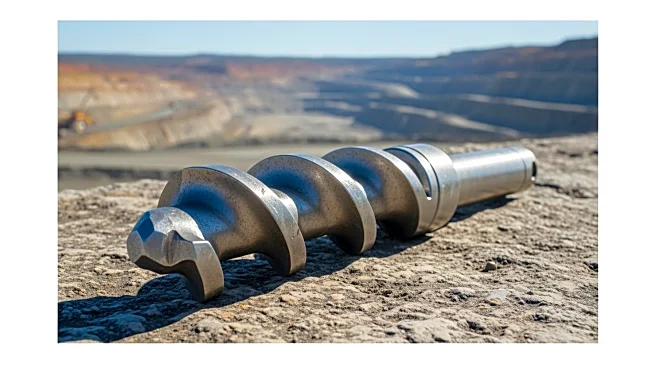
United States Antimony Corp. has restarted mining operations at its Stibnite Hill property in Montana after a five-month pause due to adverse weather conditions. The company initially halted activities in November, shortly after beginning ore extraction
for sampling at a flotation mill in Radersburg, following state approval. The resumed operations aim to process antimony ore into concentrates, which will be transported to the company's smelter in Thompson Falls for conversion into finished products. Antimony is a critical mineral used in various defense applications, including flame retardant fabrics and communication equipment. The U.S. currently relies on foreign suppliers, primarily China, for its antimony needs. USAC's Thompson Falls site is the only antimony smelter in the U.S., and the company plans to expand its production capacity. The restart was facilitated by milder weather conditions, allowing the company to advance its mining program earlier than anticipated.
Why It's Important?
The resumption of mining at Stibnite Hill is significant for the U.S. as it seeks to reduce dependency on foreign sources for critical minerals like antimony, which are vital for defense and industrial applications. By establishing a fully integrated antimony operation, USAC aims to strengthen domestic supply chains and enhance national security. The expansion of the Thompson Falls smelter's production capacity could position the company as a key player in the antimony market, potentially influencing global supply dynamics. This development also reflects broader efforts to bolster U.S. mineral independence, which is crucial for strategic industries and military readiness. The company's move to enhance its mining program with technological upgrades further underscores its commitment to efficient and sustainable resource extraction.
What's Next?
USAC plans to implement several changes to its mining program, including the use of a chipper for brush and branches to produce mulch for reclamation efforts. This approach aims to facilitate faster re-vegetation and improve access to roads and trails for ongoing mining activities. Additionally, the company intends to establish GPS base stations on nearby mountain tops to enable precise mapping and recording of antimony vein intercepts. These technological advancements are expected to optimize mining operations and support the company's strategic goals. As USAC continues to expand its production capacity, stakeholders in the defense and industrial sectors may closely monitor developments, given the potential impact on supply chains and market dynamics.
Beyond the Headlines
The restart of mining operations at Stibnite Hill highlights the broader geopolitical implications of mineral resource management. As the U.S. seeks to reduce reliance on foreign suppliers, particularly China, for critical minerals, domestic companies like USAC play a pivotal role in reshaping supply chains. This shift could lead to increased investment in U.S. mining infrastructure and technology, fostering innovation and sustainability in the sector. Moreover, the focus on antimony, a mineral with significant defense applications, underscores the intersection of economic and national security interests. The company's efforts to integrate advanced mapping and reclamation techniques reflect a growing emphasis on responsible resource management, which could set industry standards for environmental stewardship.