



What's Happening?
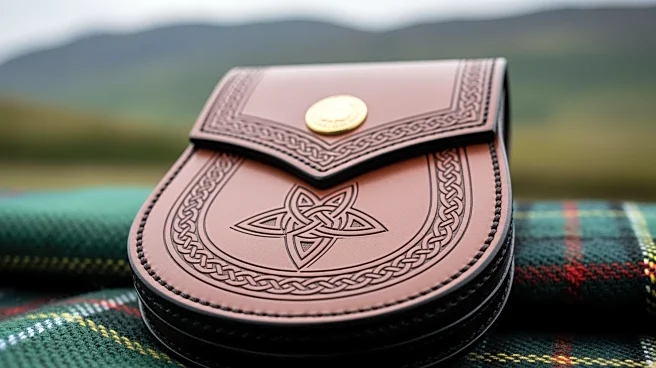
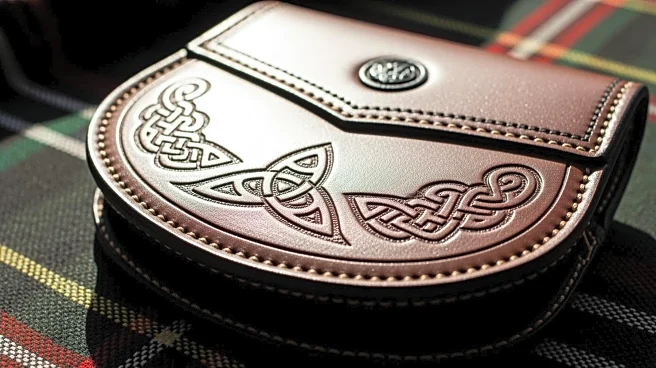
Scottish soccer fans, known as the Tartan Army, have been granted permission by FIFA to wear sporrans, traditional pouches worn with kilts, into stadiums during the World Cup in North America. This decision follows discussions between FIFA, tournament
organizers, and the Scottish Football Association (SFA) after concerns arose due to bag policies at US venues. These policies, particularly in Boston and Miami where Scotland will play against Haiti, Morocco, and Brazil, restrict large bags to clear plastic and impose size limits on non-transparent small bags, which initially threatened to exclude sporrans. The SFA confirmed that sporrans would be allowed as long as they pass standard security checks, and match-day staff will be briefed accordingly. This development comes as the Scotland team opts for tailored suits instead of kilts and sporrans on match days, a change from their last World Cup appearance in 1998.
Why It's Important?
The decision to allow sporrans is significant for cultural and practical reasons. For Scottish fans, the sporran is an integral part of their national dress and identity, symbolizing tradition and camaraderie. Allowing these items respects cultural heritage and enhances the fan experience, fostering goodwill and inclusivity at international events. This move also highlights the importance of balancing security measures with cultural sensitivity, setting a precedent for future international sporting events. The decision may influence how other cultural items are treated at global events, potentially impacting policies at venues worldwide.
What's Next?
With the decision in place, Scottish fans can prepare for the World Cup without concerns about leaving part of their traditional attire behind. The focus will now shift to ensuring smooth implementation of the policy at stadiums, with staff training and communication being key to avoiding confusion on match days. The SFA and FIFA will likely monitor the situation to ensure compliance and address any issues that arise. This development may also prompt other national fan groups to seek similar accommodations for cultural items, potentially leading to broader discussions on cultural inclusivity at international events.