






What's Happening?
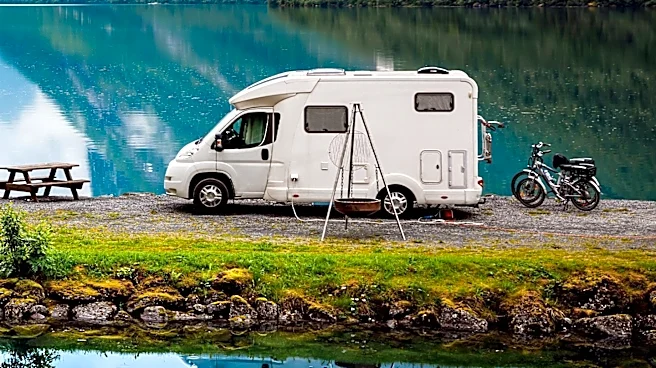
A family of six decided to live in an RV full-time following a health scare involving one of their children, who was nearly lost to undiagnosed type 1 diabetes. This prompted the family to sell their house and most of their belongings in 2019 to embrace
a life on the road. The parents, previously working in photography and construction, wanted to spend more time with their children and create lasting memories. They have since traveled across the United States, experiencing various adventures and building a community of friends. The family has found RV living to be an affordable lifestyle, utilizing membership programs and public spaces to manage costs. They have also adapted to the challenges of RV life, such as limited space and the need for careful financial planning.
Why It's Important?
This lifestyle change highlights a growing trend among families seeking more meaningful experiences and time together, often prompted by significant life events. The Baileys' story underscores the potential for alternative living arrangements to offer both financial and personal benefits. By choosing to live in an RV, the family has reduced traditional living expenses and gained the flexibility to travel and educate their children through real-world experiences. This shift reflects broader societal movements towards minimalism and experiential living, as well as the increasing feasibility of remote work and homeschooling. The family's journey also illustrates the importance of adaptability and resourcefulness in managing the practical challenges of non-traditional living.
What's Next?
The family plans to continue their RV lifestyle, with a new, larger RV that provides more space for their growing children. They intend to resume full-time travel once the RV is ready, allowing them to explore new destinations and pursue educational opportunities for their children. As they continue their journey, they may face rising costs associated with travel and living expenses, but they remain committed to finding ways to save money and sustain their lifestyle. The family's experience may inspire others to consider similar lifestyle changes, particularly those seeking greater freedom and family time.
Beyond the Headlines
The Baileys' decision to live in an RV full-time raises questions about the sustainability and long-term viability of such a lifestyle. While it offers immediate benefits in terms of family bonding and reduced living costs, it also requires careful planning and adaptability. The family's experience highlights the potential for RV living to foster resilience and character development, as they navigate the challenges of life on the road. Additionally, their story reflects a broader cultural shift towards valuing experiences over material possessions, as more people seek to prioritize personal fulfillment and family connections.