







What's Happening?
As energy costs continue to rise, homeowners are seeking effective ways to manage their heating and cooling expenses. A recent guide highlights the importance of setting thermostats to optimal temperatures to save money without sacrificing comfort. In
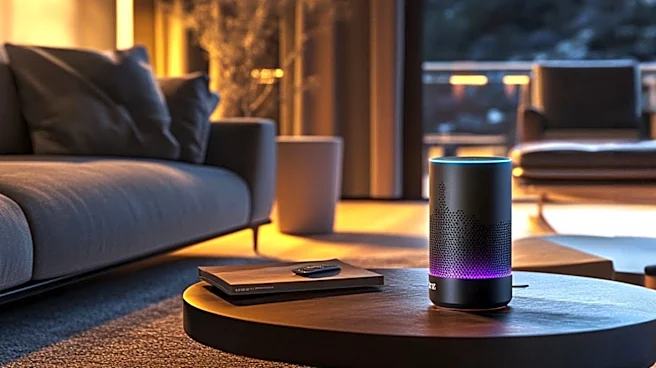
winter, it is recommended to set the thermostat to 68 degrees Fahrenheit when at home and lower it to 60-65 degrees when asleep or away. During summer, the ideal setting is 75-78 degrees Fahrenheit when home and 80 degrees when away or asleep. The guide also emphasizes the role of smart thermostats and external room sensors in maintaining efficient temperature control. Additionally, proper insulation and regular HVAC maintenance are crucial in reducing energy consumption and costs.
Why It's Important?
The guidance on thermostat settings and home insulation is significant as it addresses the dual challenge of maintaining comfort and reducing energy bills. With energy prices fluctuating, these strategies offer a practical solution for homeowners to manage costs effectively. Smart thermostats and sensors provide precise control over home temperatures, leading to potential savings. Moreover, investing in good insulation and regular HVAC maintenance can prevent energy loss, further reducing expenses. These measures not only benefit individual households but also contribute to broader energy conservation efforts, aligning with environmental sustainability goals.
What's Next?
Homeowners are encouraged to assess their current HVAC systems and insulation quality to identify areas for improvement. Scheduling annual maintenance checks can ensure systems operate efficiently, preventing unnecessary energy expenditure. As technology advances, the adoption of smart thermostats and sensors is likely to increase, offering more personalized and efficient home climate control. Additionally, as awareness of energy conservation grows, more homeowners may invest in upgrading their insulation and HVAC systems, contributing to long-term savings and environmental benefits.
Beyond the Headlines
The push for energy efficiency in homes reflects a larger trend towards sustainable living. As consumers become more environmentally conscious, the demand for energy-efficient technologies and practices is expected to rise. This shift not only impacts individual households but also influences market trends, encouraging innovation in the HVAC and home improvement industries. Furthermore, as energy efficiency becomes a priority, it may lead to policy changes and incentives aimed at promoting sustainable practices, benefiting both consumers and the environment.