



What's Happening?
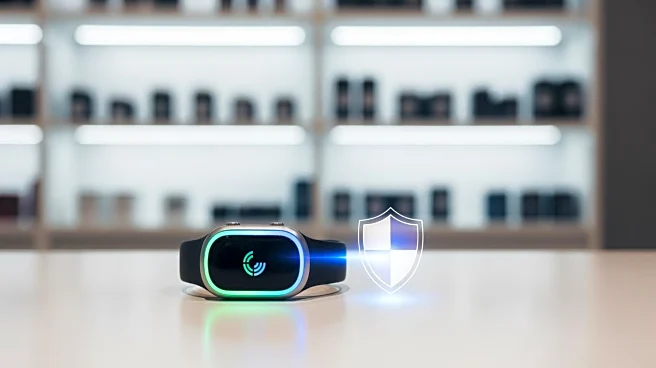
Retail workplaces are increasingly adopting AI-driven analytics and wearable technology to enhance safety and reduce workplace injuries. According to recent research, workplace incidents cost U.S. companies $50.87 billion annually, highlighting the need for effective safety programs. AI-powered systems are being used to identify ergonomic risks and predict potential injuries by analyzing historical data and real-time site activities. Wearable technology monitors workers' lifting techniques and body mechanics, providing real-time feedback to prevent musculoskeletal injuries. Additionally, mental health integration is becoming a critical component of workplace safety, addressing stressors unique to retail environments. The Occupational Safety
and Health Administration (OSHA) is also introducing a national heat safety rule to protect workers from heat-related risks, requiring employers to implement protective measures when temperatures exceed 80°F.
Why It's Important?
The integration of AI and wearable technology in retail safety programs is significant as it offers a proactive approach to preventing workplace injuries, which can lead to reduced injury rates and lower insurance premiums. By addressing both physical and mental health safety, retail companies can create a safer and more supportive work environment, potentially reducing turnover and absenteeism. The new OSHA heat safety rule underscores the importance of regulatory compliance in protecting workers from environmental hazards. These developments not only safeguard employees but also enhance operational efficiency and resilience, benefiting both workers and employers in the retail sector.
What's Next?
As AI and wearable technology continue to evolve, retail companies are likely to expand their use of these tools to further enhance workplace safety. The phased implementation of AI systems can help build trust and drive adoption among employees and management. With OSHA's heat safety rule set to take effect, companies will need to assess their current practices and make necessary adjustments to comply with the new standards. This may involve conducting job hazard analyses and implementing environmental monitoring systems to ensure safe working conditions. Ongoing training and communication will be essential to maintaining awareness and preparedness among employees.
Beyond the Headlines
The adoption of AI and wearable technology in retail safety programs reflects a broader trend towards data-driven decision-making in workplace management. This shift not only improves safety outcomes but also fosters a culture of continuous improvement and innovation. By prioritizing both physical and mental health, companies can enhance employee well-being and engagement, leading to a more positive organizational culture. The focus on heat safety also highlights the growing recognition of climate-related risks in workplace safety, prompting companies to consider environmental factors in their safety strategies.