




What's Happening?
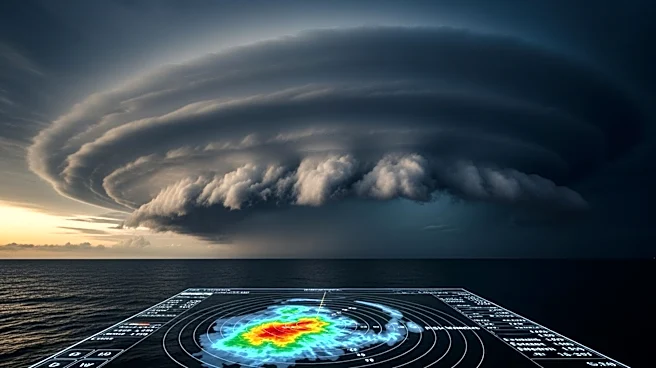
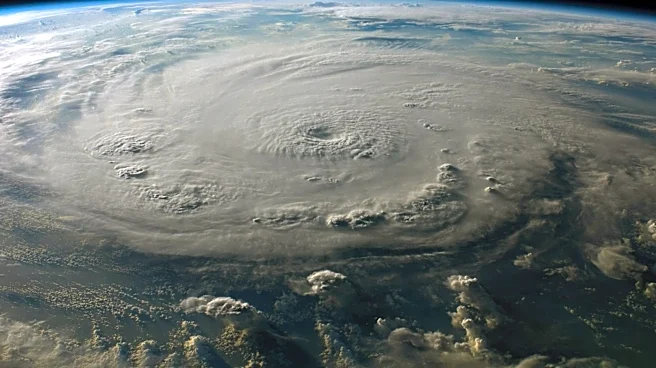
The 2026 Atlantic hurricane season is expected to be quieter compared to previous years, but this does not necessarily equate to lower risk. Recent trends indicate that secondary threats such as inland flooding, storm surge, and tornadoes are becoming
significant contributors to hurricane-related losses. Traditional models like the Saffir-Simpson Hurricane Wind Scale, which categorizes hurricanes based on wind speed, fail to account for these secondary hazards. This has led to a reevaluation of risk assessment models by insurers. New methodologies, such as the Hurricane Threat Index introduced by DTN, aim to provide a more comprehensive severity rating by incorporating multiple hazards. This approach is crucial as tropical systems can cause catastrophic inland flooding and other damages far from the coast, often in areas with less preparedness.
Why It's Important?
The shift in hurricane risk assessment is significant for the insurance industry, which has seen global insured natural catastrophe losses exceed $100 billion annually for five consecutive years. Secondary perils are increasingly driving these losses, necessitating a change in how insurers model and price hurricane risks. This evolution in risk assessment is critical for accurately predicting potential damages and setting appropriate insurance premiums. Communities and industries that underestimate the risks posed by secondary hazards may face severe economic impacts, including extended power outages and supply chain disruptions. The need for more comprehensive risk models is underscored by recent storms like Hurricane Milton and Hurricane Debby, which caused significant damage through secondary effects.
What's Next?
Insurers are likely to continue developing and adopting more sophisticated risk models that account for a broader range of hazards. This includes integrating weather risk intelligence to better anticipate the impacts of hurricanes before they make landfall. As the industry adapts, there may be changes in insurance policies and premiums to reflect the updated risk assessments. Additionally, increased awareness and preparedness efforts in inland areas could mitigate some of the risks associated with secondary hazards. Stakeholders, including government agencies and communities, may need to invest in infrastructure improvements and emergency response plans to better handle the evolving nature of hurricane threats.