






What's Happening?
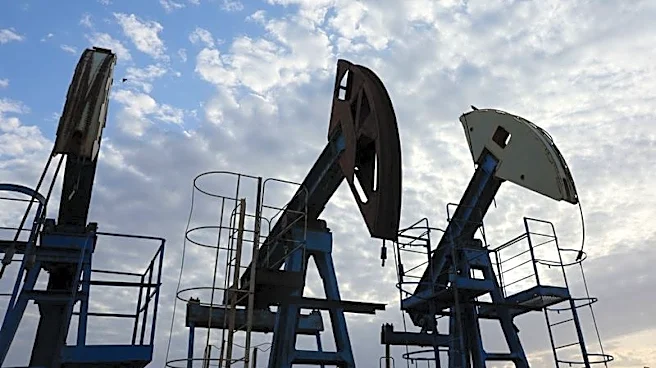
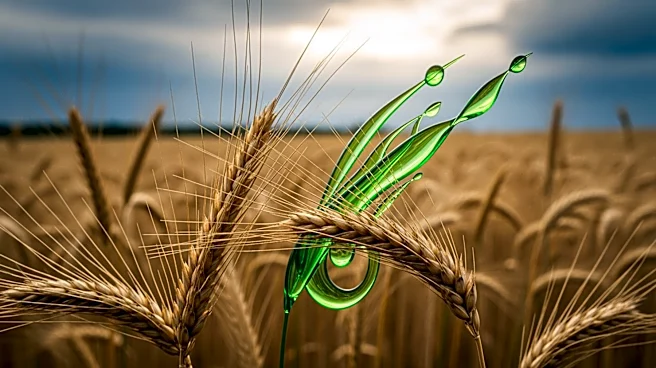
The ongoing conflict in Iran has led to a surge in crude oil prices, prompting increased reliance on biofuels as an alternative energy source. This shift is contributing to rising food prices, as many biofuels are derived from food commodities such as vegetable
oils, corn, and sugarcane. The International Energy Agency (IEA) notes that policy frameworks in regions like the EU, Brazil, and Indonesia are driving long-term demand for biofuels, which could further entrench their role in the energy market. The war in Iran has exacerbated these trends by disrupting oil supplies, leading to increased interest in biofuels as a more stable energy source.
Why It's Important?
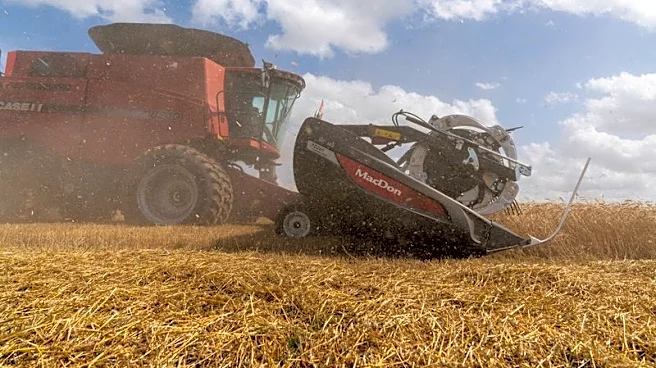
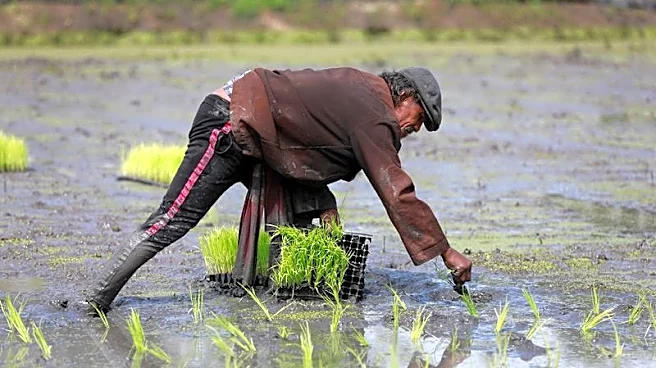
The increased demand for biofuels has significant implications for global food markets, as it diverts crops from food production to energy use, driving up prices. This trend poses challenges for food security, particularly in regions heavily reliant on imports. The situation highlights the complex interplay between energy policies and food markets, as countries balance the need for sustainable energy with the risk of food inflation. The reliance on biofuels also raises questions about land use and environmental sustainability, as large-scale production can impact ecosystems and biodiversity.
What's Next?
As biofuel demand continues to grow, policymakers may need to address the potential impacts on food prices and security. This could involve exploring alternative feedstocks or improving agricultural efficiency to mitigate the effects on food supply. The situation also underscores the importance of international cooperation in managing energy transitions and ensuring that policies do not disproportionately affect vulnerable populations. The ongoing conflict in Iran will likely continue to influence energy and food markets, with potential long-term shifts in global trade patterns and economic policies.