



What's Happening?
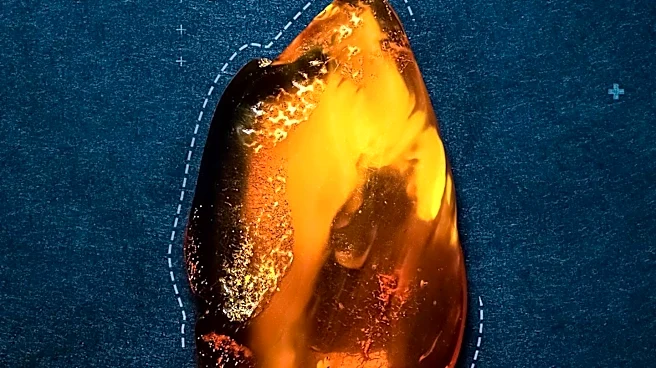
A recent study has uncovered that Salvador Dalí's choice of amber varnish may have contributed to the degradation of his painting 'The Temptation of Saint Anthony'. Owned by the Royal Museums of Fine Arts of Belgium since 1965, the painting has shown
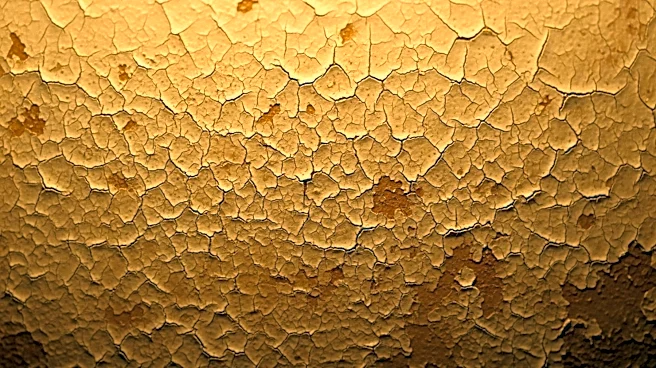
signs of deterioration, particularly in areas where zinc white pigment was used. The study, conducted by an international team of experts, utilized various imaging techniques to analyze the artwork. It was found that the degradation occurred predominantly before the painting entered the museum's collection. The use of natural resins, like amber, in combination with certain inorganic pigments, has been identified as a potential cause of the painting's current condition.
Why It's Important?
This discovery sheds light on the challenges of preserving historical artworks, particularly those created with unconventional materials. Dalí's use of amber varnish, while innovative, highlights the complexities involved in the long-term preservation of art. For museums and art conservators, understanding the chemical interactions between materials used in artworks is crucial for developing effective conservation strategies. This study not only provides insights into Dalí's techniques but also emphasizes the importance of scientific research in art conservation, potentially influencing future preservation practices.
What's Next?
With the findings of the study, the Royal Museums of Fine Arts of Belgium may consider implementing new conservation techniques to stabilize 'The Temptation of Saint Anthony'. The artwork's current stability allows it to remain on display, but ongoing monitoring and research will be essential to prevent further degradation. The study's results could also prompt other institutions to re-evaluate the conservation methods used for similar artworks, ensuring their preservation for future generations.